
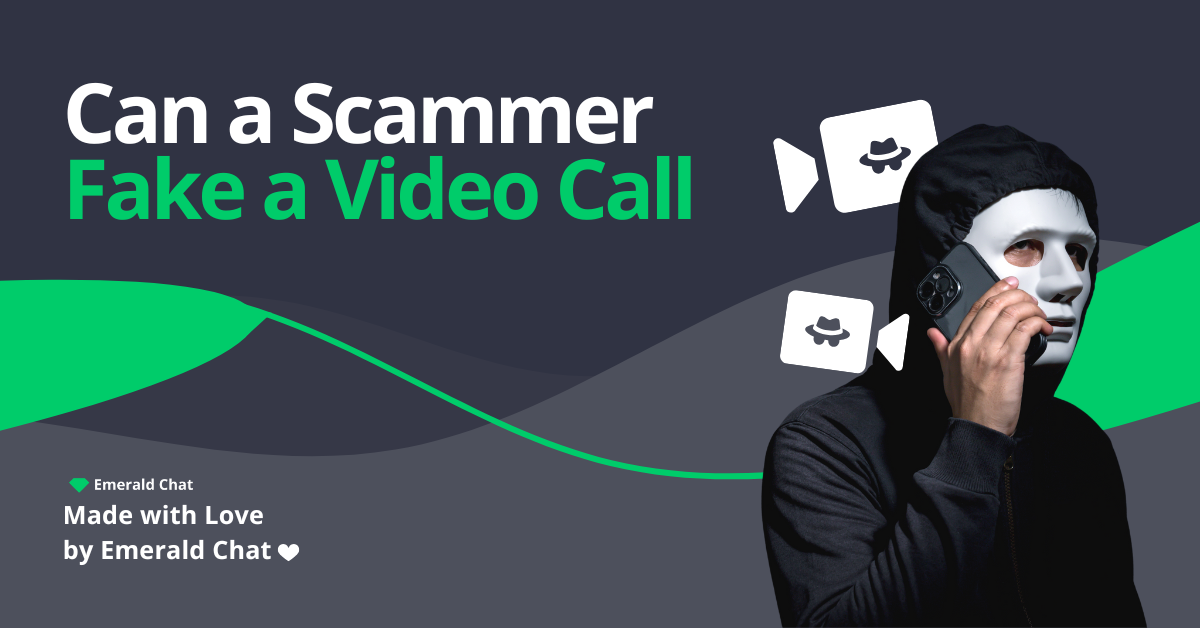
Yes, scammers can fake video a call using prerecorded video loops, virtual camera software, stolen clips, heavy filters, and face-swapping tools. The most common fakes use simple tricks like looping footage with “glitchy camera” excuses or feeding pre-recorded video through virtual camera apps. Test if someone’s real by asking them to do specific actions like holding up three fingers, saying a random phrase you choose, or showing an object you name.
Key Takeaways:
- Scammers fake video calls using prerecorded loops, virtual cameras, filters, and face-swapping tech to build trust before asking for money
- Red flags include avoiding your requests, weird mouth movements, and pushing you to move off-platform fast
- Ask them to hold up fingers, say random phrases, or show specific objects to expose fake calls instantly
- After building fake trust, scammers ask for money, passwords, sexual content, or device access
Yes, a scammer can fake a video call. They use prerecorded video, virtual camera feeds, stolen clips, heavy filters, or face-swapping apps. Some look sophisticated. Most are way simpler than you’d think.
Here’s why it works: you see a face and hear a voice, so your brain says “this person is real.” That split second of trust is all they need. Then comes the ask for money, personal info, or moving to some sketchy app where nobody can help you.
What “Fake Video Call” Means

Prerecorded video pretending to be live. They recorded themselves talking about nothing specific, then play it back during your “call” while typing responses.
Virtual camera tricks. Software feeds fake video into Zoom, Skype, or chat apps. The app thinks it’s seeing a real webcam. You think you’re seeing them live. You’re both wrong.
Screen-share games. They show you what looks like a video call window. It’s just a video file playing. You’re literally watching a movie and thinking it’s real.
Face and voice swapping. Apps can change faces or voices during calls. Used to need expensive gear. Now your phone can do it. Still less common than the simple stuff, but getting easier.
The Most Common Ways Scammers Fake Video Calls

Looping footage and “technical difficulties.” They loop 10 to 30 seconds of themselves nodding and smiling. When you ask something, they blame tech issues. “My audio broke.” “Camera’s freezing again.” Notice how the problems always happen right when you need proof they’re real?
Stolen content with terrible lighting. Video ripped from someone’s Instagram or TikTok. The lighting’s bad on purpose. Filters hide everything. Low resolution means you can’t see details. If you’re squinting to see their face, ask yourself why.
Filters covering everything up. Heavy beauty filters, face effects, “glitch” looks. They hide that the mouth doesn’t match the words. That hair looks weird. That nothing quite lines up right.
Real-time face swaps. Apps map someone else’s face onto theirs while you watch. Less common because the simple tricks work fine. But if someone’s claiming to be a celebrity or executive, this is what you’re dealing with.
Red Flags That the Video Call Is Fake

They won’t do simple things you ask. Turn your head. Hold up three fingers. Write today’s date. Real people just do it. Scammers suddenly have excuses. Camera froze. Need to step away. Can’t hear you. Every single time you test them, something goes wrong. That’s not a coincidence.
Mouth doesn’t match words. Lips don’t sync right. They blink too much or never blink. Audio sounds wrong for the space they’re supposedly in. Your brain picks up on this stuff even when you don’t consciously notice.
Edges look wrong. Hair looks blurry. Glasses have weird shadows. Teeth look too perfect or too fake. Something about the face just feels off. Trust that feeling. Your brain sees patterns better than you think.
Everything’s urgent and secret. “I need help NOW.” “Don’t tell anyone.” “My account’s frozen and I need money tonight.” Urgency kills your ability to think clearly. That’s the point. According to the Federal Trade Commission, people lost over $1.3 billion to romance and trust scams in 2022. Fake video calls make these scams work better.
Off-platform immediately. They want Telegram. WhatsApp. Some weird app you’ve never used. Moving off-platform means no moderation, no reporting, no help when things go bad. If they’re pushing this hard in the first conversation, they’re planning something.
Quick Verification Tests That Work

Don’t accuse them of anything. Just ask them to do something. Real people do it without thinking. Scammers can’t.
Say something specific I choose. Pick random words. “Say purple elephant jumping on Tuesday.” If they’re live, they say it. If it’s a loop, they can’t. Simple.
Do this exact movement. “Touch your nose, then wave your left hand.” Take two seconds if you’re real. Impossible if you’re a video file.
Show me this object. “Hold up a spoon.” “Grab a book.” “Put a coin on your forehead.” Real people laugh and do it. Scammers make excuses or ignore you.
Change something about the space. “Turn on the light behind you.” “Move your camera left.” Lighting and camera angles are nearly impossible to fake with prerecorded stuff.
Multiple formats, same person. Video call plus voice note plus selfie with today’s date written on paper. All three should match perfectly. If they refuse any of these, you know why.
Business stuff gets verified outside the call. Someone claiming to be from a company? Call the company directly. Check LinkedIn. Don’t trust the video call alone when money’s involved.
For more on spotting problems early, check out our guide on how to connect with people online.
What They Want After the Fake Call Works
Money. Always money. Emergencies. Fees. Crypto. Gift cards. Wire transfers. Sick relatives. Travel problems. Investment opportunities. Account verification. Always urgent. Always a lie.
Your information. Bank details. Social Security number. Passwords. Reset codes. One-time codes from your phone. They say they need it to “send you money” or “verify you’re real.” You’ll never see that money. They’ll empty your accounts.
Content they can use against you. They record the call. Then threaten to send it to your family, friends, employer. Or they get you to do something sexual on camera, record it, then blackmail you. Conversation turns sexual fast? Leave immediately.
Access to everything. Remote desktop apps. “Fix my camera” links with malware. Fake photo-sharing sites. Once they’re in your device, everything’s gone. Photos, passwords, banking apps, all of it.
How to Protect Yourself During Random Video Chats

Nothing personal in frame. No family photos. No mail with your full name. No addresses visible. No school or work stuff. Scammers screenshot everything and use it later.
One-time codes stay with you. Those six-digit codes your bank sends? They’re for YOU to prove you’re you. Not for someone else. If someone asks for a code texted to your phone, they’re hacking your account right that second. According to Norton, sharing these codes is one of the fastest-growing scam tactics because people think they’re harmless.
Don’t click anything they send. “Better video quality here.” “Here’s that photo.” “Join this platform.” Nope. Those links install malware or steal your info. Describe what you want to share instead. If they refuse, that tells you something.
Stick to platforms that give a damn. Platforms like Emerald Chat have real moderation and easy reporting. When you report someone, they actually investigate. On random apps with zero moderation, banned scammers just make new accounts and keep going.
What to Do When Something Feels Wrong

Leave. Don’t argue. Don’t try to prove they’re lying. Don’t give them another shot at manipulating you. Just end the call.
Screenshot what’s safe. Username. Time. Suspicious things they said. Don’t screenshot anything sexual. You don’t want that on your device for any reason.
Report and block. Use the platform’s report tools. Platforms like Emerald Chat let you report fast so moderators can ban them and watch for patterns. Your report protects whoever they target next.
Stop blaming yourself. These people do this full-time. They’re good at it. They’ve practiced their scripts and tested what works. Falling for it doesn’t make you stupid. It makes them experienced criminals.
For more on catching warning signs early, check out our post on questions to ask when getting to know someone.
Final Thoughts
Video calls can be faked easier than you think. Scammers use loops, virtual cameras, stolen clips, and filters. Once you trust them, they ask for money, passwords, sexual content, or device access.
One habit protects you: test them. Hold up fingers. Say random phrases. Show objects. Real people do it instantly. Scammers make excuses every single time.
Pick platforms that make reporting easy and actually care about your safety. If you’re on Emerald Chat, stay in-platform and use report tools the second something feels off. Your safety beats being polite to someone who might be scamming you.
Frequently Asked Questions
Can scammers really swap faces live during a call?
Yes and it’s getting easier. Apps exist that do real-time face swaps during video calls. Most scammers don’t bother because simpler tricks work fine and cost nothing. But it’s out there and getting cheaper.
What’s a virtual camera?
Software that fakes a webcam feed. Your video app sees it as a real camera. It’s actually showing whatever the software tells it to show. Prerecorded video, images, screen recordings, whatever. Scammers use it to play fake video during calls.
Are fake video calls actually common?
On apps with weak moderation? Extremely. On platforms with real safety teams, less so because scammers get banned faster. Pick platforms that care about safety.
What’s the absolute best way to know someone’s real?
“Hold up four fingers and say banana pancake Tuesday.” Both at once. Real person does it immediately. Fake video can’t. Done.
I already sent money or gave them info. Now what?
Call your bank NOW if you sent money. Report to the platform. Change every password you have. Turn on two-factor authentication. Shared ID or Social Security number? Credit freeze. Report to FTC at ReportFraud.ftc.gov. Move fast.
How do I report someone on Emerald Chat?
Hit the report button in your conversation. Pick the reason. Moderation team reviews it. Serious stuff gets immediate bans. Your reports help catch patterns and repeat offenders.
Leave a Reply