
Healthy alone time is intentional time spent by yourself to recharge, reflect, and focus on activities that support your well-being. Unlike loneliness, healthy solitude leaves you feeling refreshed, balanced, and more connected to yourself and others. Learning how to embrace healthy alone time can improve emotional health, strengthen relationships, and make social interactions more meaningful.
Key Takeaways:
- Healthy alone time helps you recharge rather than disconnect from others.
- Solitude and loneliness are not the same thing.
- Spending time alone can improve self-awareness, creativity, and emotional well-being.
- Healthy alone time often leads to stronger relationships and more meaningful conversations.
- Balancing solitude with social connection is key to overall wellness.
- Online communities can provide meaningful interactions when you’re ready to connect.
For a long time, I thought spending time alone was something I needed to justify.
If I turned down plans to stay home and read, take a walk, or simply enjoy a quiet evening, I sometimes felt guilty. There’s often an unspoken assumption that being busy, social, and constantly connected is the ideal way to live.
But over time, I realized something important: healthy alone time isn’t about avoiding people. It’s about taking care of yourself.
When practiced intentionally, healthy alone time can help you recharge, process your thoughts, reduce stress, and return to your relationships with more energy and presence. In fact, research suggests that positive solitude can contribute to emotional regulation, self-reflection, and personal growth.
The challenge is that many people confuse healthy solitude with loneliness. As a result, they may overlook the benefits of spending time alone or feel pressure to socialize even when they need a break.
Why Healthy Alone Time Is Often Misunderstood
Many of us grow up hearing messages that equate being social with being happy.
While relationships are important, there’s a difference between enjoying connection and feeling obligated to be around people all the time.
One reason healthy alone time is misunderstood is that people often associate being alone with loneliness, sadness, or withdrawal. But solitude itself isn’t inherently negative.
In fact, psychologists have found that spending time alone can create opportunities for self-discovery, creativity, and emotional recovery when it is chosen intentionally.
The key word here is intentional.
Healthy alone time is something you choose because it supports your well-being, not because you’re trying to escape life altogether.
What Healthy Alone Time Actually Looks Like
There’s no single way to practice healthy alone time.
What feels restorative for one person may feel draining for another.
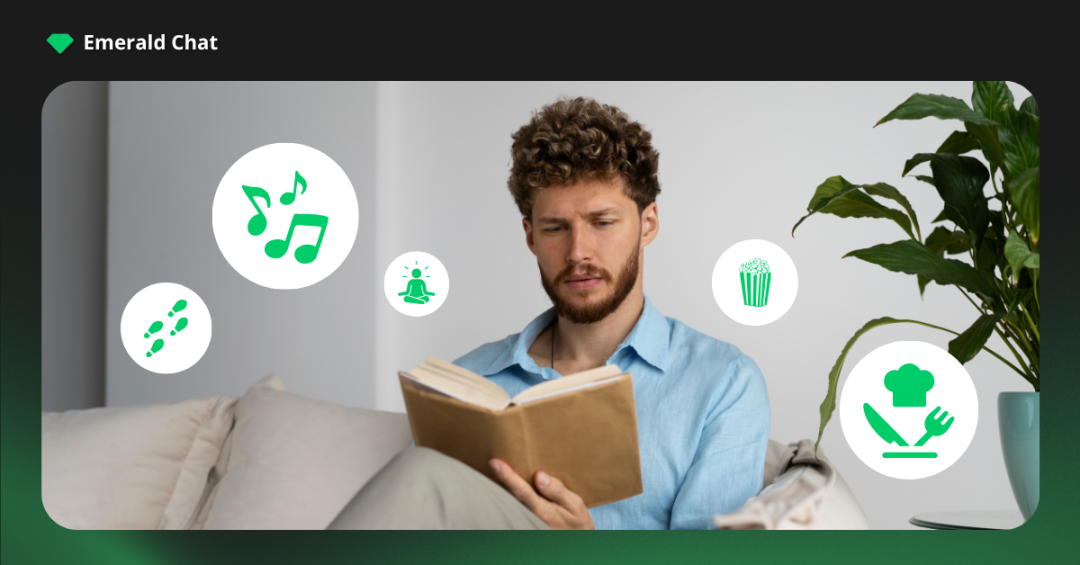
For me, healthy solitude often includes simple activities that allow me to slow down and reconnect with myself.
Examples include:
- Reading a book without distractions
- Taking a walk outdoors
- Listening to music
- Journaling
- Practicing meditation
- Working on creative projects
- Cooking a meal
- Learning a new skill
- Watching a favorite movie
The common thread isn’t the activity itself.
It’s how I feel afterward.
Healthy alone time typically leaves me feeling calmer, more energized, and better equipped to engage with the world around me.
7 Signs You’re Practicing Healthy Alone Time
1. You Feel Recharged Afterward
One of the clearest signs of healthy alone time is that you feel refreshed rather than drained.
Instead of feeling disconnected, you feel ready to return to your responsibilities and relationships.
2. You’re Choosing Solitude, Not Hiding
Healthy solitude is intentional.
You’re spending time alone because it benefits you, not because you’re avoiding difficult conversations or withdrawing from important relationships.
3. You’re Engaging in Activities You Enjoy
Healthy alone time often includes activities that bring you genuine satisfaction, whether that’s reading, creating, exercising, or simply relaxing.
4. You Feel More Self-Aware
Spending time alone creates opportunities to process emotions and reflect on your experiences.
This can help you better understand your needs, goals, and values.
5. You’re Not Constantly Seeking Distractions
Healthy solitude doesn’t require endless scrolling or constant stimulation.
Sometimes it means being comfortable with your own thoughts.
6. Your Relationships Remain Strong
People who practice healthy alone time still maintain meaningful relationships.
In many cases, solitude helps them show up more fully for the people they care about.
7. You Look Forward to Social Connection Too
Enjoying alone time doesn’t mean you dislike people.
Healthy balance includes both solitude and meaningful interaction.
Healthy Alone Time vs. Loneliness
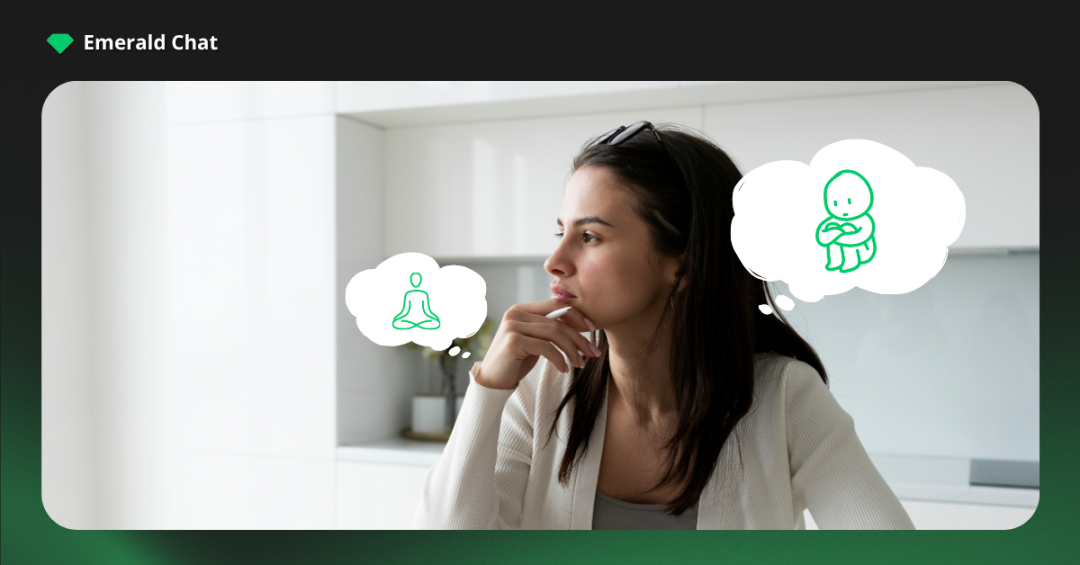
One of the biggest misconceptions about healthy alone time is that it’s the same thing as loneliness.
It isn’t.
Loneliness is a feeling of social disconnection. It happens when your need for meaningful relationships isn’t being met.
Healthy solitude, on the other hand, is often a positive experience.
According to research published in the National Library of Medicine, solitude can contribute to emotional well-being when individuals view it as an opportunity for reflection rather than isolation.
A simple way to tell the difference is to ask yourself:
“How do I feel afterward?”
If your alone time leaves you feeling restored, it’s likely healthy.
If it consistently leaves you feeling isolated, it may be worth exploring ways to increase meaningful social connection.
The Benefits of Healthy Alone Time for Mental Well-Being

The benefits of healthy alone time extend far beyond relaxation.
Research has linked positive solitude to several important outcomes:
Improved Emotional Regulation
Alone time can provide space to process feelings without outside distractions.
Increased Creativity
Many creative breakthroughs happen during quiet moments of reflection.
Better Self-Awareness
When you’re not focused on external expectations, it becomes easier to understand your own thoughts and goals.
Reduced Stress
Intentional solitude can provide a much-needed break from social demands and daily pressures.
Stronger Sense of Independence
Healthy alone time can help build confidence in your ability to enjoy your own company.
These benefits remind us that solitude isn’t something to fear, it’s a valuable part of a balanced life.
How Healthy Alone Time Helps You Build Better Relationships

It may seem counterintuitive, but spending time alone can actually improve your relationships.
When I make time for myself, I often notice that I’m more patient, attentive, and emotionally available when interacting with others.
That’s because healthy alone time allows us to recharge our social batteries.
Instead of feeling overwhelmed or exhausted, we can approach conversations with greater focus and energy.
In many cases, quality relationships depend not only on connection but also on personal space.
Both are important.
Finding Meaningful Connections After Healthy Alone Time
While solitude has value, most people still need meaningful social interaction.
The goal isn’t to choose between being alone and being social.
The goal is balance.
After spending time recharging, many people find that they’re more interested in authentic conversations rather than surface-level interactions.
This is where shared interests can make a difference.
Interestingly, Emerald Chat’s interest-based matching system naturally encourages users to connect through common hobbies and interests rather than first impressions, helping conversations start more organically.
When people connect through shared interests, conversations often feel more genuine and less pressured.
How Emerald Chat Supports Meaningful Conversations

Not everyone enjoys large social gatherings or fast-paced interactions.
Sometimes, meaningful conversations happen one message at a time.
Emerald Chat’s discussion on Why Introverts Actually Thrive in Text-Based Chats highlights how text-based communication can provide more time for reflection and thoughtful responses.
For people who value healthy alone time, this type of communication can feel especially comfortable because it allows for connection without overwhelming social pressure.
The result is often a more authentic exchange of ideas and experiences.
Final Thoughts
Learning to embrace healthy alone time has changed the way I think about self-care.
What once felt like something I needed to explain now feels like an important part of maintaining balance and well-being.
Healthy solitude isn’t about withdrawing from life.
It’s about creating space to reflect, recharge, and reconnect with yourself so you can engage more meaningfully with the people around you.
Whether your ideal alone time involves reading, walking, creating, or simply enjoying a quiet moment, there’s value in giving yourself permission to slow down.
And when you’re ready to connect again, meaningful conversations often feel even more rewarding.
How do you spend your healthy alone time?
Take a moment to reflect on the activities that leave you feeling refreshed and energized. When you’re ready to connect with others, meaningful conversations often start with shared interests rather than small talk.
Explore more insights:
- Why Introverts Actually Thrive in Text-Based Chats
- 5 Tips to Enhance Emerald Chat Experience
- How to Make Friends as an Introvert
- How to Be More Social as an Introvert
- How to Make Small Talk: Tips, Examples, and Conversation Starters
FAQ
Healthy alone time is intentional time spent by yourself to recharge, reflect, and engage in activities that support your well-being.
Yes. Research suggests that positive solitude can support emotional regulation, self-awareness, and personal growth.
Healthy alone time is a chosen experience that feels restorative, while loneliness is the distress that comes from feeling socially disconnected.
The right amount varies from person to person. The goal is to find a balance between solitude and meaningful social interaction.
Absolutely. Taking time to recharge can help you become more present, patient, and emotionally available when interacting with others.
Leave a Reply