

Why you disappear sometimes often has little to do with the other person. Many people step away from conversations because of stress, social fatigue, busy schedules, or the need to recharge.
In online spaces like Emerald Chat, disappearing doesn’t automatically mean someone has lost interest. It can simply reflect what’s happening in their own life. Understanding this can help you take conversations less personally and create healthier expectations when meeting new people.
Key takeaways
- Sometimes I disappear because I need a mental break, not because someone did anything wrong.
- Online conversations don’t always follow the same expectations as friendships in real life.
- Social fatigue, anxiety, work, school, and personal responsibilities often interrupt conversations unexpectedly.
- It’s healthier to avoid assuming the worst when someone stops replying.
- Giving people space often leads to more genuine and relaxed conversations.
When someone suddenly stops replying, it’s easy to assume the worst. I’ve done it before. Maybe I wondered if I said something awkward, if I came across as boring, or if the other person simply lost interest.
But after spending enough time talking to people online, I’ve realized something important: why you disappear sometimes isn’t always the same reason someone else disappears.
Life happens.
Behind every username is a real person juggling responsibilities, emotions, and distractions that we can’t see through a chat window.
Sometimes I disappear because my day becomes overwhelming. Sometimes I simply need quiet after spending hours talking to people. And honestly, I’ve learned that many others feel exactly the same way.
That’s especially true on platforms like Emerald Chat, where conversations happen naturally between people from different backgrounds, time zones, and lifestyles. Every chat starts with curiosity, but not every conversation is meant to continue forever, and that’s perfectly okay.
Instead of assuming silence means rejection, it helps to understand the many reasons people step away. That perspective can make online conversations feel healthier, less stressful, and much more enjoyable.
Why You Disappear Sometimes Doesn’t Always Mean You’re Avoiding Someone
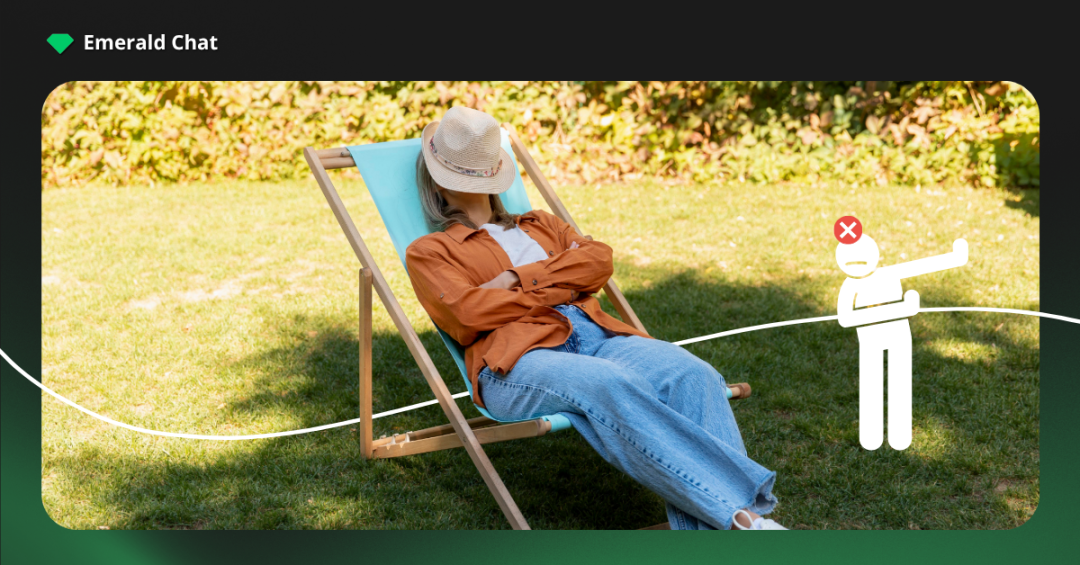
One of the biggest misconceptions about online conversations is that every delayed reply carries hidden meaning.
The truth is much simpler.
Sometimes I open a message while I’m at work, tell myself I’ll reply later, and completely forget. Other times I start typing, get interrupted, and never come back to finish my response. None of that reflects how I feel about the other person.
Researchers studying digital communication have found that people regularly experience “communication overload,” where the number of messages they receive exceeds the mental energy they have to respond thoughtfully.
Instead of replying poorly, many people simply wait. And sometimes that wait becomes much longer than intended.
A study published in the National Library of Medicine also found that digital communication habits are heavily influenced by stress, workload, and emotional well-being rather than relationship quality. In other words, delayed responses often reflect personal circumstances more than personal feelings.
Understanding this changed the way I think about silence online.
Instead of filling in the blanks with negative assumptions, I try to remember that everyone has a life beyond the conversation we’re having.
Why You Disappear Sometimes After Great Conversations

Ironically, some of the best conversations end without warning.
That doesn’t mean they weren’t meaningful.
I’ve had chats where both of us laughed, shared stories, exchanged opinions, and then… nothing. Life simply moved on.
Online conversations often exist in the moment. Unlike long-term friendships, they don’t always come with expectations about when someone should reply next.
That’s part of what makes platforms like Emerald Chat feel refreshing.
Rather than focusing on maintaining endless message threads, conversations happen organically. Features like the interest-based matching system encourage people to connect over shared hobbies and topics, making each interaction feel more genuine instead of forced.
Sometimes those conversations become lasting friendships.
Sometimes they’re simply enjoyable moments that end naturally.
Both outcomes have value.
Social Fatigue Is More Common Than You Think

Not everyone who enjoys meeting new people has unlimited social energy.
I’m naturally curious about people, but there are days when I don’t want to answer another notification.
Psychologists often describe this as social fatigue—a feeling that develops after extended social interaction, whether online or offline.
Even positive conversations require attention, empathy, and emotional energy.
According to the American Psychological Association, taking breaks from constant digital engagement can reduce stress and improve overall mental well-being.
That means why you disappear sometimes may simply come down to needing space to recharge.
And honestly, that’s healthy.
Online Conversations Move at Different Speeds

One thing I’ve learned is that everyone has different expectations.
Some people enjoy chatting throughout the day.
Others check messages only once every evening.
Some disappear for a week and come back as though no time has passed.
None of these communication styles are automatically wrong. They’re simply different.
That’s why it’s helpful to avoid measuring someone’s interest by their response speed alone.
Instead, pay attention to the quality of your conversations when they do happen.
A thoughtful ten-minute conversation often means more than dozens of rushed messages exchanged throughout the day.
Sometimes Life Gets Loud

One message can easily get buried beneath everything else happening in someone’s life.
Think about everything people balance every day:
- School assignments
- Work deadlines
- Family responsibilities
- Personal relationships
- Mental health
- Sleep
- Unexpected emergencies
Any one of these can interrupt a conversation without warning.
The World Health Organization has repeatedly emphasized that stress affects attention, memory, and daily functioning, making even small tasks feel difficult during challenging periods.
When I remember that everyone carries invisible responsibilities, it’s much easier not to interpret silence personally.
Disappearing Sometimes Can Actually Protect Your Mental Health

There’s another perspective that doesn’t get discussed enough.
Sometimes disappearing is a healthy boundary.
If I’ve spent hours online, talked to dozens of strangers, or simply feel emotionally drained, stepping away helps me reset.
Healthy online habits don’t require being constantly available.
In fact, setting boundaries often leads to better conversations because you’re returning with more energy and attention.
Emerald Chat even works best when conversations happen naturally rather than feeling like obligations. When we stop treating every pause as rejection, chatting becomes much less stressful.
Not Every Conversation Needs a Perfect Ending
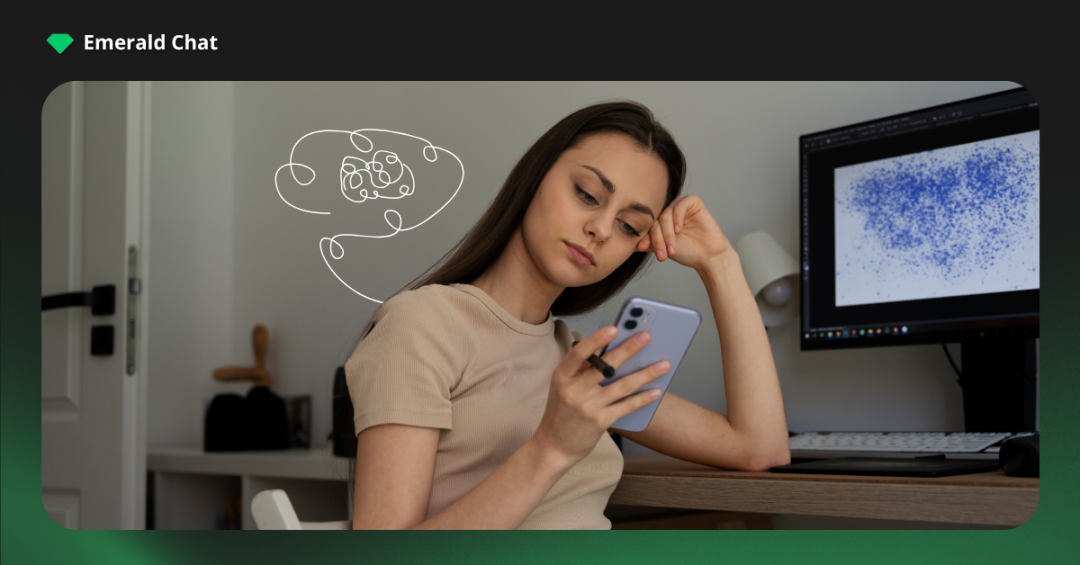
One lesson I’ve slowly accepted is that closure isn’t always necessary.
Some conversations simply… end.
That doesn’t erase the laughter, advice, or interesting stories that were shared.
Instead of viewing unfinished conversations as failures, I try to appreciate them for what they were: a meaningful interaction during a particular moment in time.
That mindset has made meeting new people online far more enjoyable because I focus less on keeping every conversation alive and more on being present while it lasts.
How to Handle It When Someone Disappears

If someone suddenly stops replying, my first instinct used to be wondering what I did wrong. Over time, I’ve learned that jumping to conclusions usually creates unnecessary stress.
Instead, I try to give the situation a little breathing room. Most of the time, there are countless reasons someone might not respond right away, and very few of them have anything to do with me.
Here are a few habits that have helped me keep a healthier perspective:
- Avoid assuming silence means rejection. A delayed reply isn’t automatically a sign that someone isn’t interested in talking.
- Resist sending multiple follow-up messages. If someone is busy, extra notifications can sometimes add pressure instead of helping.
- Focus on the conversations you can enjoy today. Online communities are constantly changing, and there’s always an opportunity to meet someone new.
- Keep your expectations realistic. Not every chat is meant to turn into a long-term friendship, and that’s okay.
This mindset has made online conversations feel much lighter. Instead of worrying about what might happen next, I enjoy the conversation while it’s happening.
Building Better Connections on Emerald Chat

One reason I enjoy chatting on Emerald Chat is that conversations often begin around shared interests instead of personal information. Starting with something you both enjoy makes it easier to connect naturally, even if the conversation is brief.
Likewise, learning how to make online conversations more engaging can make chats feel more comfortable and enjoyable for everyone involved.
These aren’t about keeping someone talking forever. They’re about creating conversations that feel authentic, respectful, and relaxed.
Ironically, when there’s less pressure to make every interaction last, conversations often become more memorable.
It’s Okay If You’re the One Who Disappears Sometimes

Here’s something I wish more people heard:
It’s okay to take a break.
If you’re feeling overwhelmed, mentally exhausted, or simply not in the mood to chat, you don’t have to force yourself to stay online.
Of course, if you’re talking with someone you’ve built a genuine friendship with, a quick message like “I’ve got a lot going on this week, but I’ll catch up later” can go a long way. It sets expectations without requiring a lengthy explanation.
But when you’re chatting casually with someone you’ve only just met, it’s perfectly normal for conversations to pause or come to a natural end.
Being kind to yourself is just as important as being kind to others.
After all, meaningful conversations happen when both people have the energy to be present.
Why You Disappear Sometimes Is Part of Being Human

The more people I meet online, the more I realize that disappearing isn’t unusual. It’s human.
We all have moments when life becomes busy, our mental energy runs low, or we simply need time away from our screens. Those moments don’t automatically erase the value of the conversations we’ve had.
Remembering this has helped me become more patient with other people and with myself.
Instead of viewing every silence as rejection, I try to see it as a reminder that everyone is living a full life beyond the chat window.
That simple shift in perspective has made online conversations feel healthier, more enjoyable, and much less stressful.
Final Thoughts
Why you disappear sometimes doesn’t always have a complicated explanation. Sometimes you’re tired. Sometimes you’re overwhelmed. Sometimes life gets busy, and sometimes you just need a break from your screen.
The same is true for the people you meet online.
When we stop treating every unanswered message as something personal, we create room for more genuine conversations and healthier expectations. Instead of worrying about whether every chat will last forever, we can appreciate the connection for what it is. A real moment shared between two people.
Whether a conversation lasts five minutes or turns into a lasting friendship, it still has value.
And the next time someone disappears, or you do, remember that silence often says more about life’s circumstances than it does about the person on the other side of the screen.
Looking for conversations that feel natural instead of forced? Emerald Chat makes it easy to connect with people who share your interests, helping every chat start with something meaningful. Whether you’re looking for a quick conversation or hoping to make a genuine connection, approaching each interaction with curiosity, patience, and realistic expectations can make all the difference.
FAQS
There are many reasons. They may be busy, feeling socially drained, dealing with personal responsibilities, or simply taking a break from being online. In many cases, it isn’t a reflection of the conversation or the other person.
It depends on the situation. If you’ve built an ongoing friendship, it’s considerate to let the other person know you’ll be away. In casual chats with people you’ve just met, conversations naturally ending without formal goodbyes is quite common.
Enjoying a conversation doesn’t always mean you have the energy to continue it. Stress, work, school, family commitments, or needing time to recharge can all lead to stepping away, even from conversations you genuinely like.
Give them space and avoid assuming the worst. People often have reasons unrelated to you for taking longer to respond. If they return, pick up the conversation naturally. If not, appreciate the interaction you had and remain open to meeting new people.
Starting with shared interests, asking open-ended questions, listening actively, and keeping expectations realistic can lead to more enjoyable conversations. Focusing on genuine connection instead of immediate outcomes often creates a better experience for everyone.
Leave a Reply