

Loneliness in a crowd describes the experience of feeling emotionally disconnected even when you are surrounded by people. It happens when social interaction lacks real connection, leaving you feeling unseen or unheard despite being in a room full of conversation.
Key Takeaways
- Loneliness is the feeling of being alone, while loneliness in a crowd happens when you are surrounded by people but still feel disconnected.
- Social environments do not automatically remove loneliness if conversations lack depth or authenticity.
- Real connection comes from meaningful conversation, not simply being around others.
- Online platforms that encourage genuine conversation can help reduce feelings of isolation.
What Is the Difference Between Loneliness and Loneliness in a Crowd?
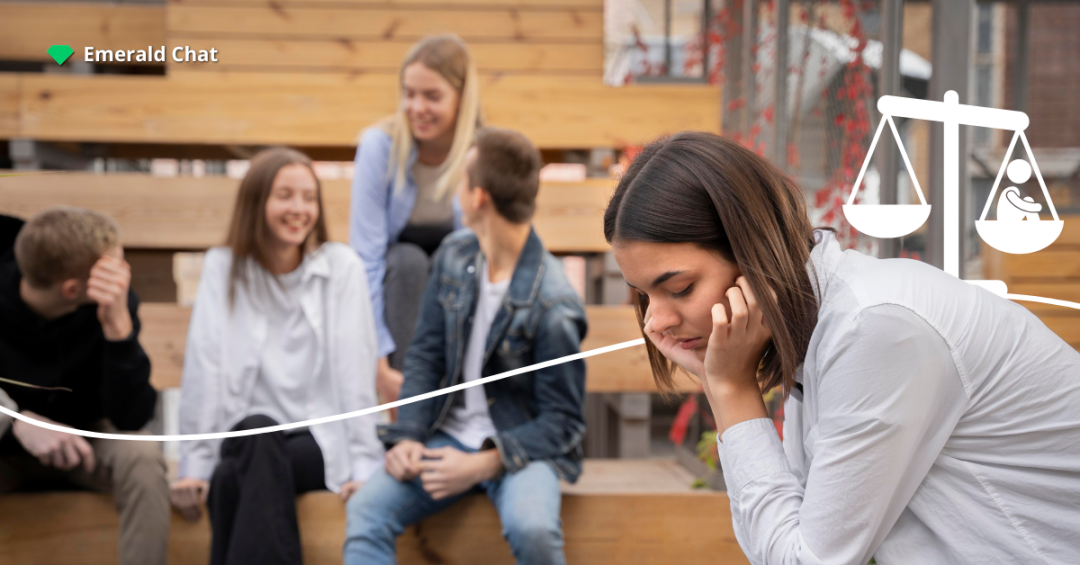
Most people imagine loneliness as sitting alone in a quiet room.
No messages.
No calls.
No one to talk to.
That is the version we easily recognize.
But there is another kind of loneliness that can feel heavier.
It happens at parties. In busy cafés. In group chats full of messages. Even in rooms filled with laughter.
You are surrounded by people, yet something inside you feels strangely distant.
That experience is called loneliness in a crowd.
The difference is subtle but important.
Loneliness usually comes from lack of social interaction.
Loneliness in a crowd comes from lack of meaningful interaction.
In other words, it is not the number of people around you that matters. It is whether anyone actually sees or understands you.
This is why someone can have hundreds of followers, attend social gatherings, and still feel deeply alone.
If you want to understand how conversation plays a role in emotional wellbeing, you might enjoy reading why humans need conversation, which explains how simple interaction shapes our mental state.
Why Loneliness in a Crowd Can Feel Worse

Being alone can be painful.
But feeling alone while surrounded by people often creates a different kind of emotional tension.
It can trigger thoughts like:
- “Why do I still feel this way when everyone else seems fine?”
- “Why can everyone connect except me?”
- “What is wrong with me?”
When those thoughts repeat themselves, social spaces can start to feel exhausting instead of comforting.
Research supports this emotional experience.
Psychologists have found that perceived social isolation has a strong link to mental health challenges. Research from Cureus Journal of Medical Science shows that feeling disconnected from others increases stress responses and emotional distress.
Another study published by the National Institute on Aging shows that chronic loneliness can affect both emotional wellbeing and physical health.
The important thing to remember is this:
Loneliness is not only about physical presence.
It is about emotional presence.
Someone can sit right across from you and still feel miles away.
Why Modern Social Spaces Sometimes Feel Shallow

Many people wonder why loneliness in a crowd feels more common today.
Part of the answer lies in how many social interactions have become surface level.
Think about everyday conversations:
- quick small talk
- distracted replies while checking phones
- group conversations that stay on jokes and updates
- polite exchanges that never go deeper
None of these are bad on their own.
But when every interaction stays at that level, something essential is missing.
Humans naturally look for signals of connection. Things like eye contact, genuine curiosity, active listening, and emotional openness.
Without these signals, the brain often does not register the interaction as meaningful.
A research from Stanford University found that close relationships and meaningful conversations are the strongest predictors of long term happiness.
So when conversations stay shallow, loneliness can quietly appear even in the middle of social activity.
Signs You Might Be Experiencing Loneliness in a Crowd

Sometimes this feeling is hard to name. Many people assume they are simply tired or socially drained.
But a few patterns often show up.
Conversations Feel Performative
You participate socially, but it feels like you are playing a role.
You laugh, respond, and contribute. Yet something about it feels oddly hollow.
You Feel Invisible in Groups
People are talking around you, but you still feel unseen or unheard.
It is not that anyone is being intentionally unkind. The interaction just never reaches a deeper level.
Social Events Leave You Drained
Instead of feeling energized after spending time with people, you feel emotionally flat.
This often happens when conversations lack authenticity.
You Start Craving Real Conversations
Small talk begins to feel frustrating.
You want discussions about ideas, experiences, and feelings.
Why Meaningful Conversations Matter So Much

Conversation is not just social entertainment.
It is a deeply human need.
When you talk with someone who genuinely listens, a few things happen inside the brain.
First, you feel recognized. Someone is acknowledging your thoughts and experiences.
Second, your brain releases chemicals associated with trust and bonding.
Third, you feel a sense of belonging.
That is why even one meaningful conversation can shift your mood dramatically.
It is rarely about talking to dozens of people.
Often, a single real interaction is enough.
If you are curious how online conversations can still feel genuine, you might want to explore how to meet people online, which explains how digital spaces can still support real connection.
Can Online Conversations Help With Loneliness in a Crowd?
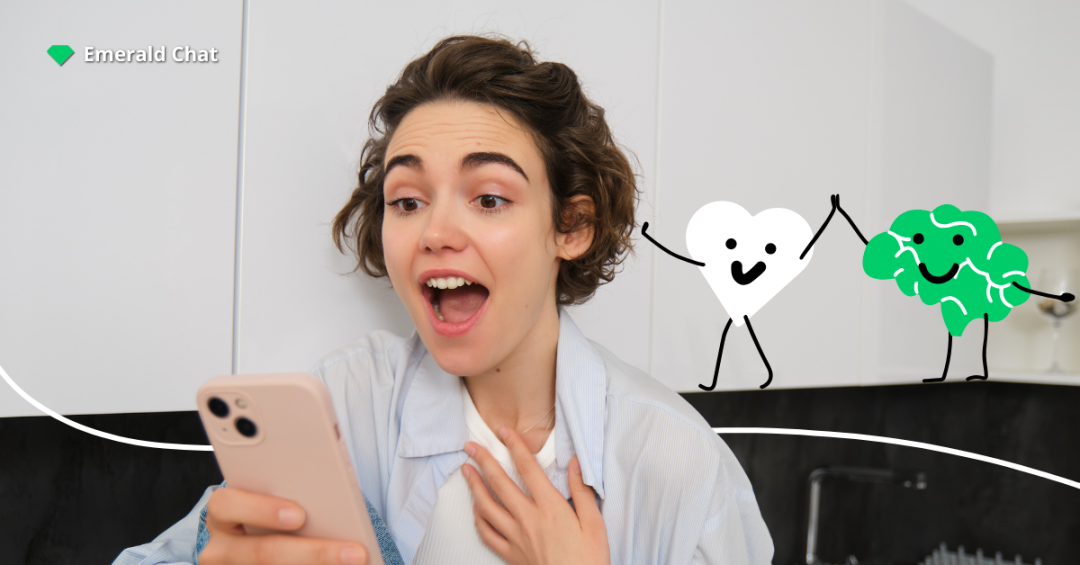
Many people assume online communication automatically increases loneliness.
The truth is more nuanced.
When used intentionally, online conversations can actually help people find the depth that everyday environments sometimes lack.
Here is why.
You Meet People Outside Your Usual Circle
Sometimes loneliness happens simply because the people around you do not share your interests or perspectives.
Online platforms expand that circle.
Conversations Begin With Curiosity
Many chat platforms encourage people to ask questions and learn about each other. That curiosity often leads to deeper dialogue.
The Environment Feels Lower Pressure
In person, social expectations can make conversations feel tense or awkward.
Online spaces can feel more relaxed, which sometimes makes honesty easier.
Platforms designed for real conversation can help people move beyond surface level interaction and toward genuine discussion.
How to Move From Surface Level Interaction to Real Connection

If you recognize loneliness in a crowd in your own life, small shifts can make a difference.
Ask Better Questions
Instead of defaulting to small talk, try questions that invite reflection.
- What has been on your mind lately?
- What are you excited about right now?
- What kind of conversations do you enjoy most?
These open doors.
Listen With Curiosity
People can feel when they are truly being listened to.
Even simple attentiveness can deepen a conversation quickly.
Choose Environments That Encourage Dialogue
Some spaces naturally support meaningful conversations.
Smaller groups. One on one discussions. Communities built around dialogue instead of broadcasting.
Sometimes the answer is not forcing connection where it does not exist.
Sometimes it is simply finding the right space.
Final Thoughts
Loneliness and loneliness in a crowd are two very different experiences.
One happens when you are physically alone.
The other happens when you are surrounded by people but still feel unseen.
And in many ways, the second can hurt more.
The solution is not simply more social activity.
It is a more meaningful conversation.
Because the moment someone truly hears you, loneliness often begins to soften.
If you are looking for conversations that go beyond surface level interaction, try meeting new people through Emerald Chat. The platform is designed for real discussion, whether you prefer text, video, or group chat.
Visit Emerald Chat and start a conversation with someone new today.
Frequently Asked Questions
Loneliness in a crowd refers to feeling emotionally disconnected even when surrounded by people. It usually happens when social interactions lack depth, leaving you feeling unseen or misunderstood.
Sometimes friendships focus on routine interaction rather than emotional openness. If conversations stay surface level, deeper connections may still feel missing.
Yes. Many people experience it, especially in environments where social interaction is frequent but meaningful conversation is rare.
Yes, when conversations are genuine. Platforms that encourage dialogue and curiosity can help people form meaningful connections even across long distances.
Try focusing on deeper conversations, asking open questions, and spending time with people who enjoy thoughtful discussion rather than only small talk.
Leave a Reply