
Quiet people are often misread because many people associate confidence, friendliness, and engagement with outward expressiveness. In reality, quiet individuals often process information deeply, prefer meaningful conversations over small talk, and may simply need more time before opening up. Their silence is usually a reflection of personality and communication style, not disinterest or negativity.
Key Takeaways
- Quiet people are often misread as rude, shy, unfriendly, or uninterested.
- Silence is not a reliable indicator of confidence, intelligence, or social skills.
- Society tends to reward extroverted behavior, creating bias against quieter personalities.
- Many quiet people are excellent listeners, observers, and deep thinkers.
- First impressions frequently overlook the strengths that quieter individuals bring to relationships and conversations.
- Online spaces built around shared interests can help people connect beyond surface-level judgments.
Have you ever walked away from a conversation feeling like people completely misunderstood you?
Maybe someone assumed you were shy when you were simply thinking.
Maybe they thought you were unfriendly when you were actually enjoying the conversation.
Or maybe they interpreted your silence as disinterest when you were paying closer attention than anyone else.
I’ve seen this happen countless times, and I’ve experienced it myself. The truth is that quiet people are often misread in a world that tends to reward the loudest voices.
When someone talks less, people naturally try to fill in the blanks. Unfortunately, those assumptions are often wrong.
This misunderstanding shows up everywhere. In friendships. In workplaces. In classrooms. Even in online conversations.
The result is that thoughtful, observant people are sometimes judged before they’ve had the chance to show who they really are.
Let’s talk about why quiet people are often misread, what psychology says about it, and what we can learn when we stop treating silence as a problem that needs to be explained.
Why Quiet People Are Often Misread in Social Situations

One of the biggest reasons quiet people are often misread is because society tends to associate visibility with value.
People who speak often are frequently viewed as:
- Confident
- Friendly
- Competent
- Charismatic
- Engaged
Meanwhile, quieter individuals may be viewed as:
- Shy
- Aloof
- Nervous
- Uninterested
- Difficult to approach
The problem is that these assumptions aren’t necessarily accurate.
Research suggests that workplaces often favor people who are more verbally expressive, even when quieter individuals are equally capable and engaged.
Many quiet people simply communicate differently.
They often prefer to:
- Think before speaking
- Observe before participating
- Listen carefully
- Share ideas intentionally
- Build trust gradually
These traits aren’t weaknesses. They’re just less visible.
Why Quiet People Are Often Misread as Shy

One of the most common misconceptions is that being quiet automatically means being shy.
But quietness and shyness aren’t the same thing.
According to research, introverts often enjoy social interaction while preferring lower-stimulation environments and deeper conversations.
A person can be quiet and still:
- Enjoy meeting new people
- Feel confident socially
- Have strong communication skills
- Enjoy public speaking
- Be comfortable in leadership roles
I’ve met people who barely spoke during a group gathering but became incredibly animated once the conversation turned toward something they genuinely cared about.
Their silence wasn’t fear.
It was selectivity.
Many quiet people simply prefer meaningful conversation over filling every silence with words.
Quiet People Are Often Misread Because Society Rewards Extraversion

Another reason quiet people are often misread is something psychologists sometimes call extraversion bias.
Many cultures celebrate traits associated with extroversion.
People are often encouraged to:
- Speak up
- Think out loud
- Participate constantly
- Be highly visible
None of these traits are inherently bad.
But problems arise when they’re treated as the only signs of confidence, competence, or leadership.
Research exploring introversion and social perception has found that people often make assumptions about quieter individuals based on cultural expectations rather than actual behavior.
In other words, people may see a quiet person and immediately assume they’re less confident, less capable, or less interested.
Meanwhile, the quiet person may be fully engaged and simply processing information internally.
Why Quiet People Are Often Misread When First Impressions Matter

First impressions happen incredibly fast.
Sometimes within seconds.
The challenge is that quiet people often take longer to reveal themselves.
Outgoing individuals naturally provide more information upfront. They share stories, opinions, and reactions quickly.
Quiet individuals often prefer to observe first.
This creates an imbalance.
When one person reveals a lot immediately and another reveals very little, people often assume the more expressive person is easier to understand.
But understanding isn’t the same thing as knowing.
Many of the assumptions formed during first impressions are incomplete.
That’s one reason quiet people are often misread before anyone truly gets to know them.
Common Ways Quiet People Are Often Misread

Many quiet people have heard at least one of these comments:
- “You’re intimidating.”
- “You seem unfriendly.”
- “Why are you so quiet?”
- “You must be shy.”
- “Are you upset?”
- “You don’t like people.”
What’s interesting is that none of these conclusions can actually be determined by silence alone.
A person can be quiet and still be:
- Friendly
- Confident
- Warm
- Socially skilled
- Funny
- Interested in others
Silence doesn’t automatically communicate any particular emotion.
People often project their own interpretations onto it.
That’s why quiet people are often misread. Others mistake a lack of information for negative information.
Quiet People Are Often Misread Because Listening Isn’t Visible

One of the most overlooked strengths of quiet people is listening.
Listening doesn’t attract attention the way talking does.
But it plays a huge role in meaningful communication.
Many quiet individuals spend more time:
- Observing body language
- Noticing emotional cues
- Processing information
- Understanding context
- Reflecting before responding
These qualities often make them:
- Better friends
- Better collaborators
- Better problem-solvers
- Better conversational partners
Research on introversion consistently highlights strengths such as reflection, empathy, creativity, and thoughtful decision-making.
The irony is that many of these strengths remain invisible during quick social interactions.
People notice who is speaking.
They don’t always notice who is understanding.
The Hidden Strengths Behind Quiet Personalities
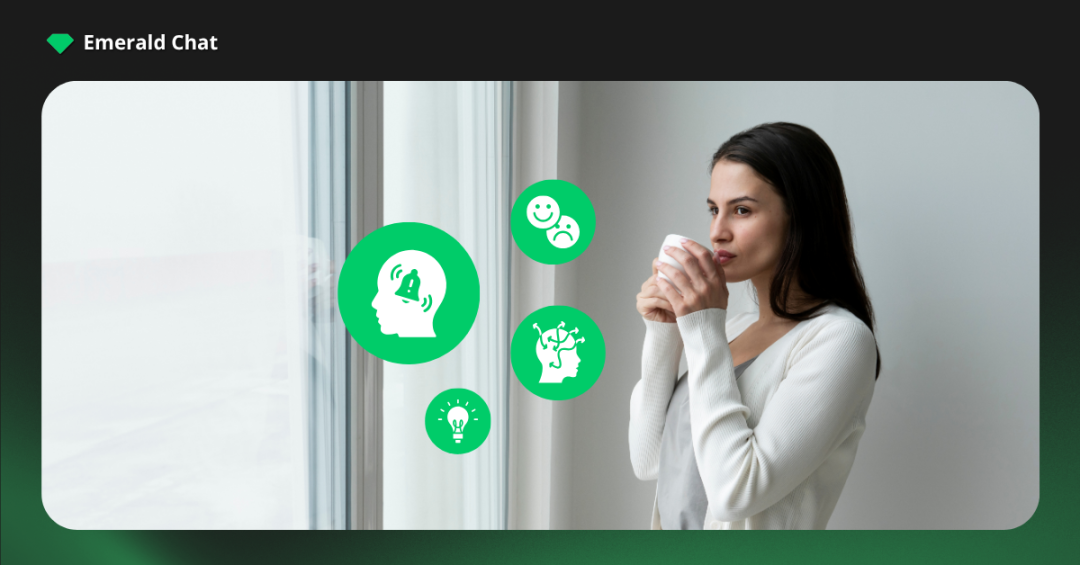
When people move beyond assumptions, they often discover strengths that weren’t immediately obvious.
Thoughtfulness
Quiet people frequently think before they speak, leading to more deliberate communication.
Emotional Awareness
Many are highly attuned to the emotional atmosphere around them.
Creativity
Periods of reflection often support creative thinking and problem-solving.
Deep Relationships
Rather than maintaining countless casual connections, many prefer building meaningful relationships over time.
Self-Awareness
Quiet individuals often spend significant time reflecting on their experiences, values, and personal growth.
These qualities may not dominate a room.
But they often strengthen relationships in lasting ways.
Why Quiet People Are Often Misread Less in Online Conversations

One reason many quieter individuals enjoy online conversations is that communication becomes less dependent on social performance.
In face-to-face settings, people are often judged by:
- How quickly they respond
- How confidently they speak
- How much they contribute
- How comfortable they appear
Online conversations create a different environment.
People can:
- Think before responding
- Express themselves at their own pace
- Focus on shared interests
- Move beyond first impressions
Interestingly, research has found that people with social anxiety often report lower anxiety levels during online interactions compared to face-to-face conversations.
This doesn’t mean online conversations replace real-world relationships.
But they can create a space where people feel more comfortable expressing themselves authentically.
How Shared Interests Help Quiet People Be Understood

One thing I’ve noticed is that conversations become easier when they begin with common ground.
When two people already share an interest, there’s less pressure to impress each other.
That’s one reason Emerald Chat’s interest-based matching system works so naturally.
Instead of focusing on appearances or social performance, people connect through hobbies, interests, and topics they genuinely enjoy discussing.
The conversation starts with something meaningful.
Not everyone is comfortable walking into a room and instantly becoming the center of attention.
Many people communicate best when they have a shared topic to explore.
This is similar to what we discussed in this article about why talking to strangers can boost your confidence, where common interests often make conversations feel more natural and less intimidating.
Likewise, learning how to build meaningful online conversations creates opportunities for people to connect through curiosity rather than assumptions.
For quieter personalities, that shift can make all the difference.
What We Learn When Quiet People Are No Longer Misread

The next time you meet someone quiet, it may be worth challenging your assumptions.
Instead of wondering:
- Why aren’t they talking?
Consider asking:
- What might they be observing?
- What are they thinking about?
- Are they simply processing information differently?
Communication styles vary far more than we often realize.
Some people think out loud.
Others think quietly.
Neither approach is inherently better.
The more we recognize that difference, the easier it becomes to build genuine relationships.
Final Thoughts
I’ve learned that some of the most interesting people I’ve ever met weren’t the loudest people in the room.
They were the ones quietly paying attention.
The ones asking thoughtful questions.
The ones who spoke less but meant more.
The reason quiet people are often misread has less to do with quiet people themselves and more to do with how society interprets silence.
We tend to assume that what we see is the whole story.
But silence rarely tells the entire story.
Behind many quiet personalities are thoughtful observers, attentive listeners, creative thinkers, and deeply caring individuals who simply communicate differently.
When we stop rushing to fill silence with assumptions and start approaching it with curiosity, we often discover someone far more interesting than we expected.
Have You Ever Been Misunderstood for Being Quiet?
If you’ve ever been labeled shy, unfriendly, or distant simply because you take time to open up, you’re not alone.
Meaningful conversations rarely happen because someone talks the most. They happen when people feel comfortable enough to be themselves.
Sometimes all it takes is finding people who care about the same things you do.
That’s why spaces built around shared interests can be so powerful. They allow conversations to grow naturally, giving people the chance to be understood beyond first impressions.
Whether you’re naturally outgoing or naturally reserved, genuine connection starts when assumptions end.
FAQ
Why are quiet people often misread?
Quiet people are often misread because many people associate friendliness, confidence, and engagement with being talkative. When someone speaks less, others may incorrectly assume they are shy, unfriendly, or uninterested.
Does being quiet mean someone has social anxiety?
No. While some quiet people experience social anxiety, many simply prefer listening, observing, or engaging in deeper conversations.
Are quiet people less confident?
Not at all. Confidence and talkativeness are different traits. Many highly confident people communicate thoughtfully rather than frequently.
Why do quiet people prefer deeper conversations?
Many quiet individuals enjoy conversations that explore ideas, emotions, and meaningful topics rather than surface-level small talk.
Can online conversations be easier for quiet people?
Yes. Online conversations often reduce social pressure and allow people more time to think before responding, which can make communication feel more comfortable.
Leave a Reply