
To learn how to improve self-esteem, start with how you talk to yourself. Catch harsh thoughts and test them against the facts. Set small goals you can reach, and notice when you do. Get enough sleep and move your body. Spend time with people who treat you well. If low feelings stay, a therapist can help.
Key takeaways
- Improve self-esteem with small daily actions that fit your values. Don’t wait until you feel ready.
- Self-esteem is how you value yourself. Self-confidence is how sure you feel about your skills. The two don’t always match.
- Low self-esteem often starts with old messages from family, school, or culture that you still repeat to yourself.
- Healthy self-esteem means you can say no and protect your own needs.
Maybe someone gave you a compliment today and you brushed it off. Or you stayed quiet in a group chat because you figured nobody cared what you’d say. Small moments like these add up. They shape how you see yourself. And how you see yourself shapes what you’re willing to try.
Low self-esteem can keep you from new friends and new chances to be known. It can make you settle for less than you want. Self-esteem isn’t fixed, though. You can build it with practice, the same way you’d build any other skill.
This guide covers what self-esteem is and where low self-esteem comes from. You’ll learn the signs to watch for. Then you’ll get exercises, daily habits, and simple scripts to help you feel steadier in your own skin.
What is self-esteem?
Self-esteem is how much you value yourself as a person. It’s the quiet opinion you hold about whether you matter and deserve good things.
Self-confidence is different. It’s how sure you feel about what you can do. You might feel confident at work and still think you’re not worth much once you get home. The two often show up together, but not always.
Healthy self-esteem sits in the middle. You see your strengths and your flaws, and you accept both. A mistake still stings. It doesn’t turn into proof that you’re a bad person.
How low self-esteem forms from negative messages
Most people don’t wake up one day with low self-esteem. It builds over years, and it often starts in childhood. The NHS guide to low self-esteem points to messages from family, teachers, friends, and the media as common sources.
Childhood factors can include:
- Parents or caregivers who criticized more than they praised
- Constant comparison to a sibling or classmate
- Bullying at school
- Love that seemed to depend on good grades or good behavior
- Parents who ignored you or didn’t listen
Family messages carry extra weight because they come so early. If you heard “Why can’t you be more like your brother?” enough times, part of you may still believe it. The person stopped saying it years ago. The message stayed.
Culture adds its own layer. Ads, social media, and movies show a narrow picture of what a worthy person looks like. They show a certain body and a certain kind of life. When you don’t match it, it’s easy to feel like you fall short.
Adult life plays a part too. The NHS lists stress and hard events, such as serious illness or the loss of someone you love. Anxiety and depression can also color how you see yourself. The NHS notes that low self-esteem can feed into both when it lasts a long time. Each one can pull the other down.
Signs of low self-esteem
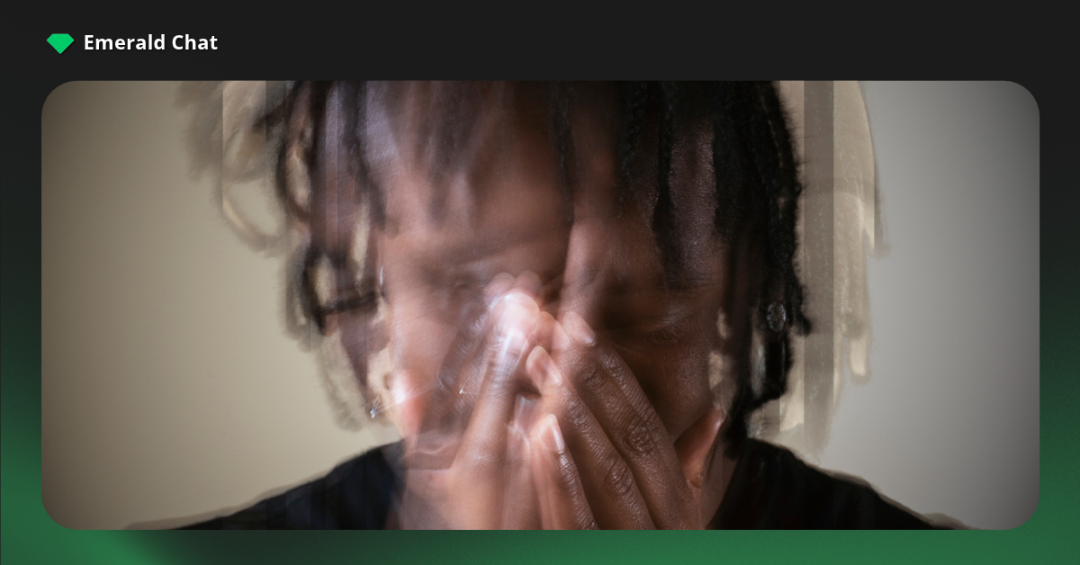
Low self-esteem doesn’t always look the way you’d expect. Some people seem quiet and shy. Others seem loud and sure of themselves on the outside. Look for patterns over time, not single bad days.
In how you act:
- You say sorry a lot, even when you did nothing wrong
- You find it hard to accept a compliment
- You put off tasks because you’re afraid you’ll fail
- You go along with plans you don’t want
In how you think:
- You replay your mistakes and forget your wins
- You assume people are judging you
- You compare yourself to others and always come up short
- You talk to yourself in a harsh way
In how you relate to others:
- You avoid parties, group chats, or new people
- You keep your opinions to yourself in a group
- You stay in friendships where you give more than you get
That last group matters. The NHS explains that avoidance brings quick relief. Over time, though, it teaches you that the only way to cope is to keep away from hard things.
Negative self-talk and its effects
Negative self-talk is the critical voice in your head that speaks to you in ways you’d never speak to a friend.
Here are three common examples:
- “I always mess things up.”
- “Nobody wants to hear from me.”
- “I’m not smart enough for this.”
These thoughts feel like facts because you’ve heard them so many times. Each one is a guess. The harm comes from repetition. Every time you tell yourself “I always mess up,” you’re a little less likely to try. And when you don’t try, you never get the win that could prove the thought wrong. So the cycle keeps going.
How to build self-esteem
There’s no single trick. Self-esteem grows from what you do, over and over, until your actions start to change what you believe. Try these steps.
- Know your values. Values are what matter most to you, like honesty or family. Write down three to five of yours. When your choices fit them, you build respect for yourself. When you’re stuck on a decision, ask, “Which choice fits the person I want to be?”
- Set goals you can reach. Big goals are fine, but break them into small steps. “Get fit” is vague. “Walk for 15 minutes after dinner three days this week” is clear. Each step you finish proves you keep promises to yourself.
- Notice small wins. You sent that email. You spoke up once in a meeting. You went to bed on time. Write these down. Your brain needs reminders that they happened, because it tends to keep score of the misses.
- Question harsh beliefs. The NHS suggests you write down a negative belief and then list the evidence against it. Say you think, “I’m boring.” Now ask yourself: Has anyone laughed at my jokes? Has a friend asked me to hang out? Aim for at least five pieces of proof. This works on old family and cultural messages too. Ask, “Who first told me this? Was it fair?”
- Talk to a therapist if the low feelings don’t lift. If low self-esteem has lasted months or years, or if it comes with deep sadness or worry, a professional can help. The NHS names talking therapies like cognitive behavioral therapy (CBT) as one option. You don’t have to sort this out alone.
Practical exercises to boost self-esteem
Exercises give you something concrete to do when you don’t know where to start. Pick one or two. You don’t need all four.
The three good things exercise
Each night, write down three things that went well that day and why they happened. They can be small, like a good cup of coffee or a kind text. In a 2005 study led by psychologist Martin Seligman, people who did this for one week reported more happiness for up to six months. That study measured happiness, not self-esteem. Still, the habit trains you to see what goes right. That helps if you tend to notice only what goes wrong.
Journal prompts to track progress
Write for five minutes a few times a week. Try prompts like these:
- What did I do today that I’m proud of?
- What harsh thought showed up, and what would I say to a friend who thought it?
- What did I handle better this week than I would have a month ago?
Read back over old entries every few weeks. You’ll spot progress you’d miss day to day.
Assertiveness role play
Pick a situation that makes you nervous, like a request for a day off or a talk with a friend about something that hurt. Say what you want out loud, alone or with someone you trust. Keep it short and clear: “I’d like Friday off. Can we make that work?” Try a few versions. The more you rehearse, the less your voice shakes when the real moment comes.
Mirror affirmations
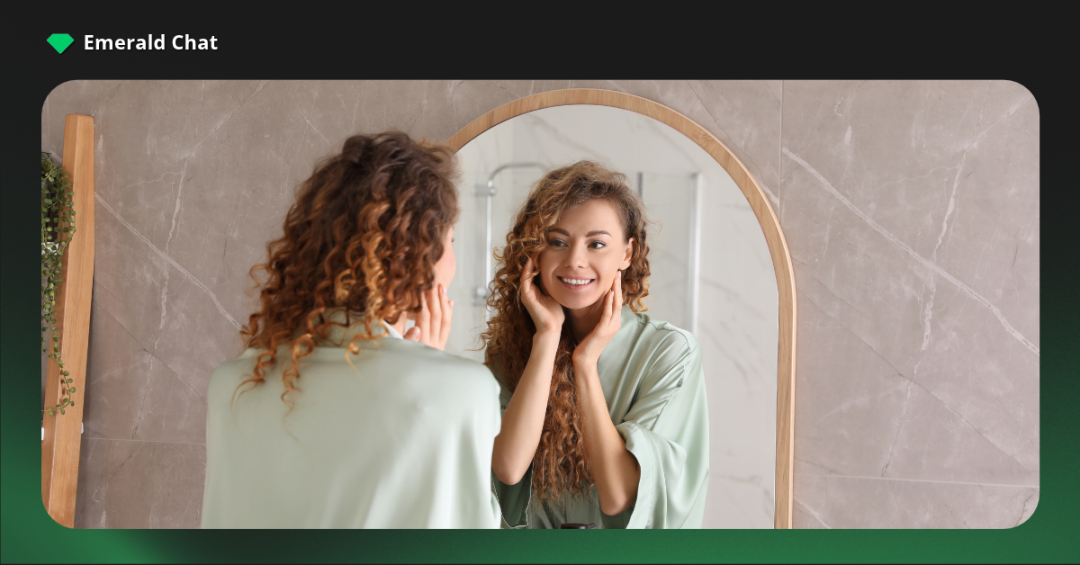
Stand in front of a mirror and say one kind, true sentence to yourself. Keep it believable. “I’m amazing” may feel fake. “I’m learning to be kinder to myself” or “I showed up today” will land better. It may feel awkward at first. That’s normal.
Boost your self-esteem: daily habits to improve confidence
Your body and mind are linked. When you’re tired or hungry, harsh thoughts get louder. These habits give you a steadier base to work from.
A daily self-talk check
Once a day, pause and ask, “What have I told myself today?” If the answer is mean, rephrase it the way a good friend would. As the NHS puts it, “We often give far better advice to others than we do to ourselves.”
Regular exercise
You don’t need a gym. A walk around the block or a dance in your kitchen counts. The mental health charity Mind lists better self-esteem as a benefit of physical activity, since you feel better about yourself as you meet small goals.
A steady sleep schedule
The CDC recommends at least seven hours of sleep a night for adults. It also advises a set bedtime and wake time each day. When you’re short on sleep, everything feels harder. That includes kindness toward yourself.
Balanced meals
Regular meals with protein, fiber, and fruits or vegetables help keep your energy even. Skipped meals can leave you cranky and low. That’s when self-doubt likes to sneak in.
From low self-esteem to high self-esteem
Change takes time. You won’t undo years of harsh messages in a week, and that’s okay. Most people notice small shifts first. You catch a mean thought faster. You say no once without guilt. Over the months, these moments add up to a new normal.
Quick fixes promise more than they give. A pep talk video or a new outfit can lift your mood for an afternoon. Real self-esteem comes from a long record of promises you kept to yourself. One feels good today. The other holds up when life gets hard.
Watch out for fake confidence too. Some people cover low self-esteem with arrogance. They brag or put others down. They can’t admit when they’re wrong, because one mistake feels like it could crack the whole act. People with healthy self-esteem don’t need to win every argument. They can say “I was wrong” and still feel okay about who they are.
Respecting your own needs to maintain healthy self-esteem
Self-esteem shows up in how you let others treat you. Boundaries are the limits you set to protect your time and energy.
To set a boundary:
- Notice what drains you or makes you resentful.
- Decide what you want instead.
- Say it in a clear, calm way.
- Follow through, even if the other person pushes back.
No is a hard word for a lot of people. Try these short scripts:
- “Thanks for asking, but I can’t this time.”
- “I’d love to help, but I don’t have room this week.”
- “No, that doesn’t work for me.”
If someone pushes, the NHS suggests you repeat your answer. You don’t owe a long excuse.
Make time for self-care each week too. Block an hour for something that refills you, like a long call with a friend or quiet time alone. Put it on your calendar so it doesn’t get pushed aside.
Self-confidence skills
Self-confidence grows when you practice the skills that make hard moments easier.
Basic assertiveness
Use “I” statements. Instead of “You never listen,” try “I feel ignored when I get cut off. Can I finish?” Keep eye contact and a steady voice. Say what you need without blame.
Small public speaking practice
Start small. Ask one question in a class or meeting. Share one idea in a group chat. Read a paragraph out loud and record yourself. Each small rep lowers the fear a bit.
Steps for hard decisions
When a choice feels heavy, try this:
- Name the decision.
- List two or three options.
- Write one pro and one con for each.
- Pick one and set a date to check in.
Every decision you make, even a small one, reminds you that you have a say in your own life.
Next steps to boost self-esteem
You don’t need to do everything in this guide at once. Start with three moves. Catch one harsh thought a day and answer it with the facts. Set one small goal and finish it. Say no once this week when you mean no.
Self-esteem grows from proof. Each time you keep a promise to yourself, you add to the pile. Some weeks will feel easy, and some won’t. Keep going anyway.
If your low mood stays heavy, reach out to a doctor or therapist. The NHS page on raising low self-esteem is a good place to read more.
Your plan for the next 30 days:
☐ Week 1: Write down your values. Start the three good things exercise each night.
☐ Week 2: Check your self-talk once a day. Pick a bedtime and stick to it.
☐ Week 3: Practice one boundary script out loud. Use it once in real life.
☐ Week 4: Take a 15 minute walk most days. Read back over your journal and note what’s changed.
Want a relaxed place to practice?
On Emerald Chat, you can add your interests and get matched with people who like the same things. A shared topic makes it easier to start talking. Each chat is a chance to try one new skill, like a question you’d normally hold back or an opinion you’d keep to yourself. Start with one conversation and see how it goes.
PRACTICE BEING YOU
Confidence grows one chat at a time
Start small. Add your interests and talk to someone who likes the same things. No pressure, just a friendly hello.
someone who gets it.
Frequently asked questions
What causes low self-esteem in adults?
For many adults, low self-esteem traces back to childhood. Harsh criticism, bullying, or love that felt conditional can leave a lasting mark. In adult life, stress, a breakup, job loss, or serious illness can lower it further. Constant comparison on social media can add to it. Most of the time, it’s a mix of causes.
How long does it take to improve self-esteem?
It depends on the person and how long the low feelings have been there. Many people notice small changes within a few weeks of steady practice, like how fast you catch a harsh thought. Bigger shifts in how you see yourself often take months. Therapy can speed things up for some people. Keep at it, even on days when progress feels slow.
Can you improve self-esteem on your own?
Yes. Many people make real progress on their own. You can journal, question negative thoughts, set small goals, and practice boundaries without outside help. If low self-esteem has lasted a long time or comes with depression or anxiety, a therapist can make a big difference. Talking therapies like CBT give you tools and someone to keep you on track.
Is low self-esteem a mental illness?
Low self-esteem isn’t a mental health diagnosis on its own. It’s a way of seeing yourself. It can be linked to mental health problems, though. The NHS notes that low self-esteem can lead to depression and anxiety. If yours comes with ongoing sadness, worry, or trouble getting through the day, talk to a doctor.
What are some quick ways to boost self-esteem today?
Write down three things that went well today. Take a short walk. Answer one harsh thought with a kinder, truer one. Finish one small task you’ve put off. None of these will fix deep self-doubt overnight. Each one gives you a small win and a better mood to build on.
Leave a Reply