
Learning how to be likeable comes down to small habits that make other people feel seen. Smile when you say hello. Use their name. Ask questions, then listen to the answers without cutting in. Give honest, specific compliments. Most of all, show more interest in them than in impressing them.
Key takeaways
- To be likeable, keep the focus on the other person and remember what they tell you.
- People usually like you more than you think after a first chat, so you can relax a little.
- Questions that build on what someone just said make you seem more caring.
- Likeability is a skill, and small habits practiced daily add up.
You walk away from a conversation and replay it in your head. Did I talk too much? Did they think I was weird? Most of us have done this. It’s normal to want people to enjoy being around you.
Here’s something that helps. Likeable people mostly run on habits, and you can learn habits.
Being liked matters for more than your ego. It helps you make new friends as an adult and get along with coworkers. It also makes hard talks a little easier.
This guide covers the daily habits of likable people and how first impressions work. You’ll learn how to talk so people feel heard, how to handle conflict without losing anyone’s respect, and a simple exercise to practice it all.
Habits of a likable person
Likeable people aren’t doing anything magic. They do a few small things on repeat.
They smile when they greet you, and they mean it. A real smile reaches the eyes. A forced one stops at the mouth, and people can usually tell.
They use your name. Hearing your own name in a conversation feels good. Say it once or twice, though. Every sentence starts to sound like a sales pitch.
They ask at least one open question. That’s a question you can’t answer with yes or no. “What got you into that?” works better than “Do you like your job?” If you get stuck, keep a few questions to ask when getting to know someone in your back pocket.
And they let you finish. Interrupting tells someone your thought matters more than theirs. Even if you’re excited, wait for the pause.
Quick daily habits
Want something you can start today? Try these.
- Give one honest compliment a day. Keep it specific.
- Skip the small criticisms. Nobody needs to hear that the coffee is bad or the line is slow.
- Notice small wins. “You finally finished that report? Nice.” It takes two seconds, and people remember it.
Help most people feel good about themselves
People tend to like whoever makes them feel good about themselves. That doesn’t mean flattery. Flattery is vague, and most people can smell it.
A specific compliment lands better. “Great job” is nice. “The way you explained that chart made it click for me” is something they’ll remember all week.
When you can, give credit in front of others. Saying “Maya caught that mistake before it went out” in a meeting costs you nothing. It means a lot to Maya. Little moments like that are how small things build real connection.
Be careful with jokes, too. A joke that makes someone the punchline might get a laugh from the group. The person it was about will remember it longer than anyone.
First impressions: how most people decide
First impressions happen fast. In a 2006 Princeton study, people judged how likeable a face looked after seeing it for just a tenth of a second. Seeing it longer mostly made them more sure of the same call.
You can’t pick the face you were born with. You can control a few things around it.
- Dress neat and right for the setting. You don’t need to be fancy. Just look like you made an effort.
- Keep your body open. Uncross your arms, face the person, and relax your shoulders.
- Say a short, friendly hello. “Hi, I’m Sam. How do you know the host?” is plenty.
Here’s some comfort if first meetings make you nervous. Research by Erica Boothby and her team found that after talking with a stranger, people guessed the other person liked them less than they actually did. The researchers called it the liking gap. You probably did better than you think. If nerves hit hard every time, these steps for working through social anxiety may help.
Communication skills for a likable person
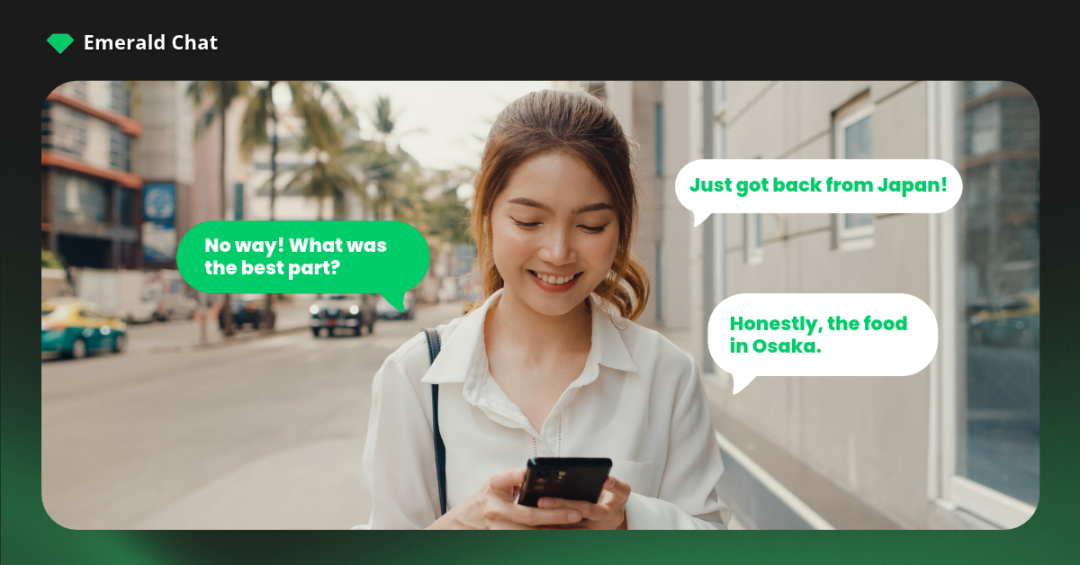
Good talkers are often good listeners first. A 2017 Harvard study on asking questions found that people who asked more questions in a chat with a stranger were liked more. Questions that built on what the other person just said helped the most.
So if someone says they just got back from a trip, don’t jump to your own trip. Ask what the best part was. Then ask about that. It’s one of the easiest ways to keep a conversation going online or in person.
A few other habits help:
- Match their energy a little. If they’re calm and quiet, don’t come in loud. Keep it subtle, though, because copying every move gets weird.
- Sum up what you heard. “So you’re thinking about switching jobs, but you’re worried about the pay?” shows you were listening.
- Keep your stories short. Make your point, then hand the conversation back.
Verbal habits of the most likable person
The most likable people tend to complain less. Instead of “This place is so slow,” they say “Looks like it’s busy tonight.” Same fact, lighter mood.
They point out what you have in common. “Wait, you hike too? Where do you go?” A shared interest gives the talk somewhere to go.
They say thank you fast. A quick text the same day beats a long message a week later.
Handling conflict like a likable person
Likable people still disagree. They just do it in a way that keeps the relationship in one piece.
Start with something you honestly appreciate. “I like how much thought you put into this plan.” Make sure it’s true. Fake praise right before criticism is easy to spot.
Then say what you need, once, clearly and calmly. “I need the draft by Thursday so I have time to review it.” One need is easier to hear than a list of complaints.
End on a good note. Thank them for hearing you out. A warm ending makes the next conversation easier for both of you.
Practice opportunities and tools
Reading about likeability only goes so far. You get better by doing it.
Ask a friend you trust to role play a tough talk with you, like asking for a raise or saying no to a favor. Switch roles after. You’ll see how your words land from the other side.
You can also record yourself telling a short story, then play it back. Notice if you rush or forget to pause for the other person.
If you want low pressure practice with real people, try chatting with strangers on Emerald Chat. You can practice open questions and listening, and talking to strangers can build your confidence over time. If a chat goes nowhere, you just move on to the next one.
The most likable person I know: learning exercise
Think of the most likable person you know. Maybe it’s a friend, or a coworker everyone seems to love.
Write down five things they do that make people like them. Be specific. “Nice” is too vague. “Remembers my sister’s name” is useful.
Pick one of those traits and copy it for a week. If they always ask how your weekend went, make that your thing for seven days.
Each day, jot down any moment when someone reacted well. Maybe a coworker stayed to keep talking. Maybe a friend texted you first. Those small signs tell you the habit is working.
Bringing it all together
Choose three behaviors to focus on. For example, you might use names more, ask one extra question per chat, and complain less. Track them in a notebook or your notes app. A quick check each night is enough.
Once a week, ask someone you trust for honest feedback. “Did I talk over you today?” is a brave question, but it’s how you get better.
Every month, look back. Keep what’s working. Swap out what isn’t for a new habit.
You’re probably more likable than you think
Likeable people mostly do one thing well. They pay attention to the person in front of them. Every habit in this guide comes back to that.
Start small. Pick one habit, like using people’s names, and try it for a week. Watch how people respond.
Go easy on yourself after awkward moments, too. The liking gap research suggests people often enjoy talking with you more than you realize. The replay in your head after a chat is usually harsher than what happened.
So the next time you meet someone, ask one more question than you normally would. Then listen to the answer, all the way to the end.
Want a place to practice? On Emerald Chat, you can add interest tags and get matched with people who share them. That makes the first question a lot easier to ask. Try one open question in your next chat and see where it goes.
Frequently asked questions
What makes a person likeable?
People tend to like someone who makes them feel heard. A likeable person asks about you, remembers what you told them, and doesn’t need to win every conversation. They’re warm without being fake. Humor and good looks can help at first, but most of us stay close to people who treat us well.
Can you learn to be more likeable?
Yes. Likeability is mostly made of habits, and habits can be practiced. Smiling when you greet people, using names, and asking questions about what someone just said are all things you can start today. Research from Harvard found that people who asked more questions were liked more by their chat partners. Small changes do make a difference.
Why don’t people like me even though I’m nice?
Being nice and being easy to connect with are a little different. Some kind people talk mostly about themselves. Others agree with everything, so nobody gets to know them. Try asking more about the other person and sharing your honest opinions gently. Also keep the liking gap in mind, since people often like you more than you assume.
How can I be more likeable at work?
Give credit to coworkers in front of others, and say thank you quickly. Keep complaints to yourself during casual chats. When you disagree, start with what you appreciate and state one clear need. Small things count too, like asking how someone’s weekend plans turned out.
How do people form a first impression so fast?
People start judging a face in a split second. A 2006 Princeton study found that people formed views on how likeable and trustworthy a face looked after a tenth of a second. You can’t control that moment. A real smile, open body language, and a friendly hello still give the next few minutes a good start.
Leave a Reply