
K-pop fans are exceptionally good at making online friends because their fandom culture encourages constant interaction, shared goals, and emotional connection. Through platforms like Twitter, Discord, and chat-based communities, fans bond over music, humor, and support systems, creating lasting global friendships.
Key Takeaways
- K-pop fandoms thrive on shared identity, collaboration, and constant interaction
- Social platforms like Twitter and Discord make friendship-building fast and natural
- Fans form global connections through music, culture, and communication
- K-pop communities often act as support systems, not just entertainment spaces
- Platforms like Emerald Chat offer new ways to meet fans beyond traditional fandom spaces
There’s something quietly fascinating about K-pop fandom spaces.
You don’t even have to stay long to notice it. People from completely different parts of the world talking like they’ve known each other for years. Someone in Brazil laughing with someone in Korea. A fan in the Philippines staying up late just to join a group chat with friends in the U.S.
And it doesn’t feel forced.
It just happens.
If you’ve ever wondered why K-pop fans are so friendly online, or how these connections form so easily, it’s worth slowing down and looking a little closer. Because it’s not just about the music.
What Makes K-Pop Fan Culture Unique?
Most of the time, when you meet someone new online, there’s this small pause.
That moment where you try to figure out what to say. How to start. Whether the conversation will even go anywhere.
In K-pop spaces, that pause barely exists.
You mention a group. A song. A comeback. And suddenly, there’s something shared.
You don’t have to explain why it matters. You don’t have to build context from scratch. It’s already there, sitting between you and the other person.
I think that’s what makes it feel easier.
You’re not trying to create connection. You’re stepping into one that already exists.
That sense of belonging is backed by research. A study on online communities published in Science Direct highlights how digital fandoms foster identity and connection through shared practices and communication.
Why K-Pop Fandoms Are So Strong
K-pop fandoms aren’t just communities. They’re organized networks.
People aren’t just listening to music.
They’re streaming together. Voting together. Reacting in real time. Celebrating wins like they personally had something to do with it.
These shared goals create a sense of teamwork. And when people collaborate regularly, friendships tend to follow.
This aligns with broader findings from the Pew Research Center, which notes that shared activities online significantly increase the likelihood of forming meaningful connections.
In other words, K-pop fans aren’t just talking. They’re doing things together. That’s a powerful foundation for relationships.
How K-Pop Fans Make Friends Online
At a basic level, K-pop makes friendships easier because it removes the hardest part: finding something to talk about.
Instead of starting from scratch, fans already share:
- A favorite group or artist
- Opinions on songs, performances, or concepts
- Emotional investment in the same content
This leads to natural interactions like replying to tweets, joining group chats, or discussing theories. Even the smallest interaction feels like it belongs somewhere.
And maybe that’s the difference.
You’re not trying to impress anyone. You’re not trying to keep a conversation alive. You’re just responding to something you both care about.
If you’ve ever used random chat platforms, you’ll notice a similar dynamic. When you meet someone who shares your interests, conversations flow much more easily.
Platforms That Power K-Pop Friendships
I’ve noticed how different spaces create different kinds of friendships.
On Twitter or X, everything feels fast. Light. You meet people through replies, inside jokes, shared reactions.
On Discord, it slows down. Conversations stretch longer. You start recognizing patterns in how people talk, what they share, how they show up.
Reddit feels more structured, more thought-out.
And then there’s something else I’ve been noticing more lately. People moving toward real-time conversations. Spaces where you don’t have to wait. Where you can just meet someone and talk right away.
There’s something about that immediacy that changes things.
Sometimes all a connection needs is time and it can lead to unexpected but meaningful connections, especially when paired with shared interests like K-pop.
K-Pop Fans’ Social Media Behavior
K-pop fandoms rarely feel quiet. They are some of the most active users online.
They post frequently, engage with others’ content, share memes, edits, and reactions.
This constant interaction keeps conversations alive. It also lowers the barrier to entry. Anyone can jump in and participate. That constant movement makes it easier to stay connected.
According to research from Science Direct on digital communities, high engagement environments increase both user retention and relationship-building.
K-pop fandoms are a textbook example of this. There’s always something happening, which means there’s always an opportunity to connect.
The Benefits of Being a K-Pop Fan
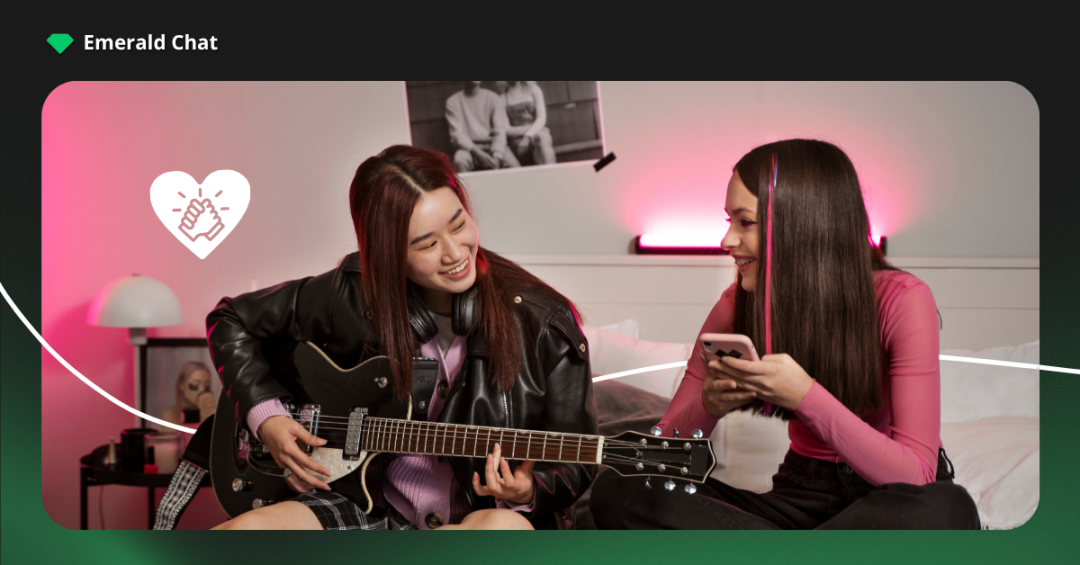
At some point, being a fan of K-pop stops being just about music. Beyond entertainment, K-pop fandoms offer real social benefits:
- Support systems: Fans often uplift each other during difficult times
- Creative outlets: Edits, fan art, and content creation
- Belonging: A sense of being part of something larger
This is why many fans describe their fandom as more than just a hobby—it’s a community.
How K-Pop Builds Global Friendships
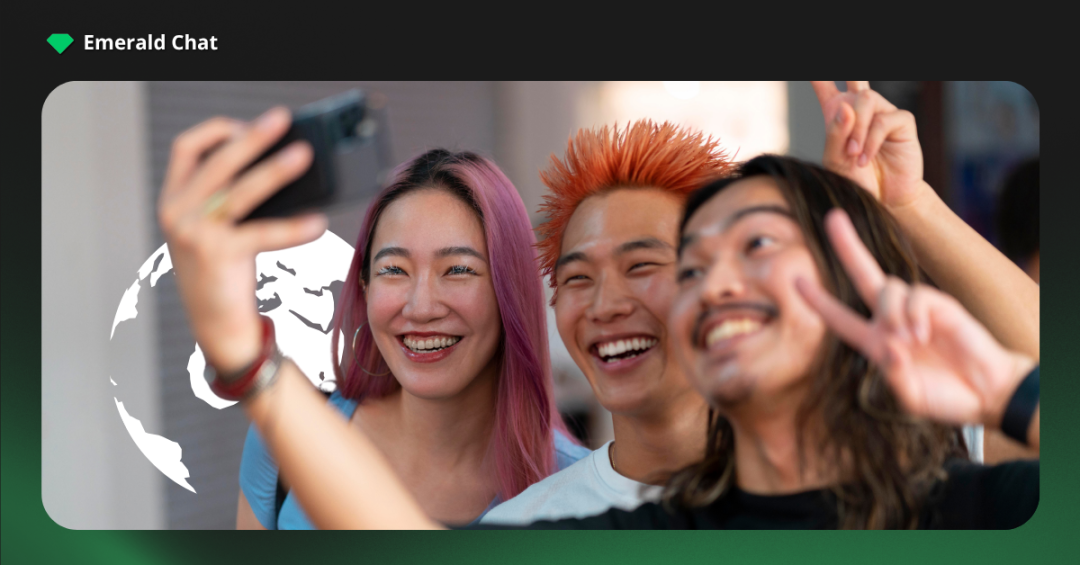
One of the most unique aspects of K-pop fandom is its global nature.
Fans regularly interact with people from different countries, cultures, and languages.
You end up talking to people you would’ve never met otherwise.
You pick up little things. Words. Habits. Perspectives.
And it doesn’t feel like effort. It just happens naturally through conversation.
It’s such a simple thing, but it changes how you see people.
It’s a reminder that music can act as a universal language, bringing people together even when everything else is different.
Are K-Pop Fandoms Welcoming?
For the most part, yes.
K-pop fandoms tend to be inclusive, open to newcomers, and quick to help others get started.
That said, no online space is perfect. There can be conflicts or negativity, especially in large communities.
But overall, the emphasis on positivity, support, and shared enthusiasm outweighs the downsides for most people.
The Role of Parasocial Relationships
Parasocial relationships, or one-sided emotional connections with public figures, play a subtle role in K-pop fandoms.
Fans may feel connected to idols, but what’s interesting is how that connection extends outward.
Instead of isolating people, it often brings them together. Fans bond over shared admiration, turning individual feelings into collective experiences.
How to Make Friends as a K-Pop Fan
If you’re new, here are a few simple ways to start:
- Engage with fan content (likes, replies, comments)
- Join Discord servers or group chats
- Use chat platforms to meet people with similar interests
The key is consistency. The more you interact, the more familiar faces you’ll start to recognize.
And if you want something more immediate, real-time chat spaces can help you skip the waiting and jump straight into conversations.
Why Music Fandoms Create Strong Bonds

At the core of all this is music.
I think that’s easy to forget sometimes. Music is emotional in a way that’s hard to explain. It ties itself to memories, moods, even parts of your identity you don’t always put into words. So when you meet someone who feels the same way about a song or an artist, something clicks without needing much effort.
K-pop just takes that feeling and expands it.
It adds layers. The visual storytelling, the constant flow of content, the way fans are invited to participate instead of just watching. It turns something personal into something shared.
And maybe that’s why it works so well.
Because it removes so many of the usual barriers. You’re not searching for common ground or trying to keep a conversation alive. You’re stepping into something that already makes sense to both of you.
Nothing feels forced. Nothing needs explaining.
It’s just there.
And when something feels that easy, you tend to stay. You show up again. You keep talking without really thinking about it.
That’s usually how it starts.
Final Thoughts
K-pop fans aren’t magically better at making friends. I think they’re just in a space that makes connection feel natural.
They’re part of a kind of system, one built on shared identity, constant interaction, and a reach that isn’t limited by geography. When all of that comes together, connection doesn’t feel like something you have to work for. It just happens more easily.
And maybe that’s something worth paying attention to.
Because it says a lot about how friendships actually form. Not just through effort, or trying to say the right things, but through shared meaning. Through timing. Through being in a space that allows both people to meet in the middle without forcing it.
As the way we communicate online keeps shifting, those kinds of connections are only expanding. Whether it happens inside fandom spaces or in real-time conversations with strangers, the core idea stays the same.
People connect best when there’s something real between them.
If you’ve ever felt how much easier it is to talk to someone who already understands something you care about, then you’ve probably felt this too.
Sometimes, connection isn’t something you have to chase.
Sometimes, you just have to step into the right space and let it happen.
Frequently Asked Questions
K-pop fans often share strong common interests and participate in the same activities, which makes interaction easier and more natural.
They connect through social media, group chats, and fandom platforms by engaging in discussions, sharing content, and supporting artists together.
Most fandoms are open and inclusive, with many fans willing to help newcomers learn and get involved.
Popular platforms include Twitter/X, Discord, Reddit, and chat-based platforms that allow real-time interaction.
Yes, many fans form genuine, long-term friendships through shared experiences and ongoing communication.
Leave a Reply