

If you want to learn how to get better at socializing, my best advice is to practice in small doses. Start short chats often. Ask open questions and listen more than you talk. Look for things you have in common. Some moments will feel awkward, and that’s okay. You get better each time you try.
Key takeaways
- You get better at socializing by having short, easy chats often and listening more than you talk.
- Most people like you more after a chat than you think they do, so awkward moments matter less than they feel.
- Questions that build on what someone just said keep a chat going and make people feel heard.
- Talking to new people online is a low pressure way to practice before you try it in person.
Picture this. You walk into a room, and everyone seems to know what to say. You stand by the snacks and practice a sentence in your head. By the time it sounds right, the moment is gone.
I think a lot of us know that feeling. If it sounds like you, I want you to hear this first: nothing is wrong with you. Social skills are skills. They grow the same way cooking or driving does, with practice and a few mistakes along the way.
I care about this because people touch so much of life. Friends, jobs, dates, and even your health run through the talks you have. In this guide, I’ll walk you through why socializing feels hard, the habits that help most, the mistakes I’d skip, and where you can practice without much pressure.
Why socializing can feel difficult
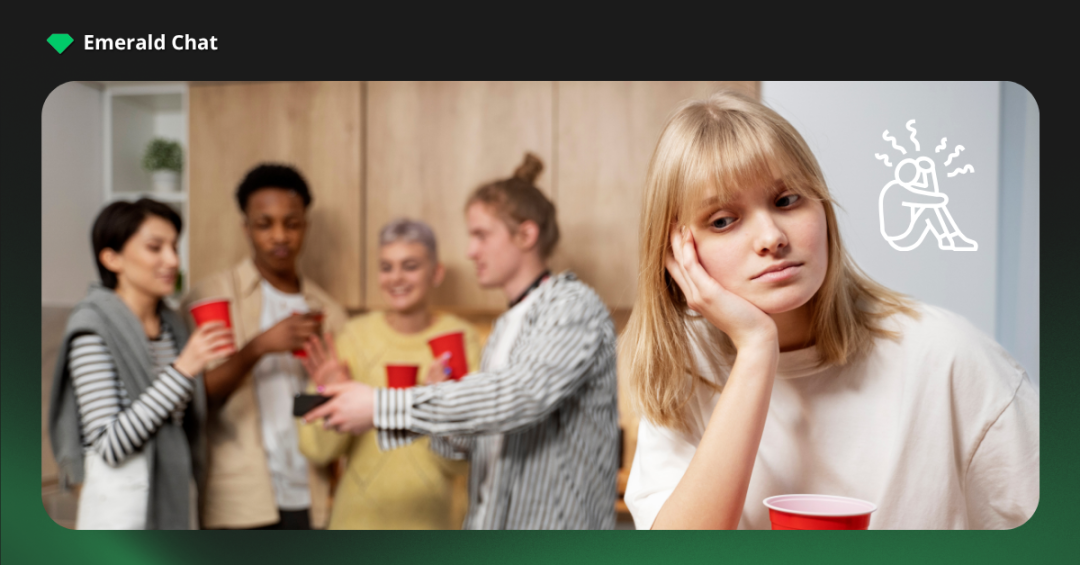
For a lot of people, the hard part isn’t the talking. It’s the worry about how they’ll come across. You fear you’ll say something odd. Or you think the other person is only being nice. If that fear runs deep, this step by step guide to healing social anxiety is a good place to start.
Here’s the good news. That fear is often wrong. Researchers writing in the journal Psychological Science found that people guess too low on how much others like them after a chat. They named it the liking gap. So the harsh review you give yourself afterward? The other person probably doesn’t share it.
Practice matters too. Maybe you’ve worked from home for years. Maybe you moved to a new city, or you just kept to yourself for a while. Then you’re out of practice. That’s not a flaw. A muscle you don’t use feels weak at first.
Your personality plays a part, but less than you might think. Introverts often like one on one talks and need quiet time after. Extroverts may get energy from a crowd. Both can learn to hold a good conversation. Quiet people can be the best listeners in the room.
Why social skills matter
Good social skills help you make friends. They also help you keep them. At work, a lot of chances come from people who know you and think of you when something opens up.
Dating gets easier too. When you can ask a good question and listen to the answer, a first date feels less like a job interview.
There’s a health side as well, and I think it’s worth knowing. A 2023 advisory from the U.S. Surgeon General looked at what weak social ties do to your health. It found they raise the risk of dying early about as much as smoking up to 15 cigarettes a day.
It also linked a lack of connection to heart disease, stroke, depression, and dementia. Talking to people won’t fix everything. But humans need conversation to stay well.
How to get better at socializing
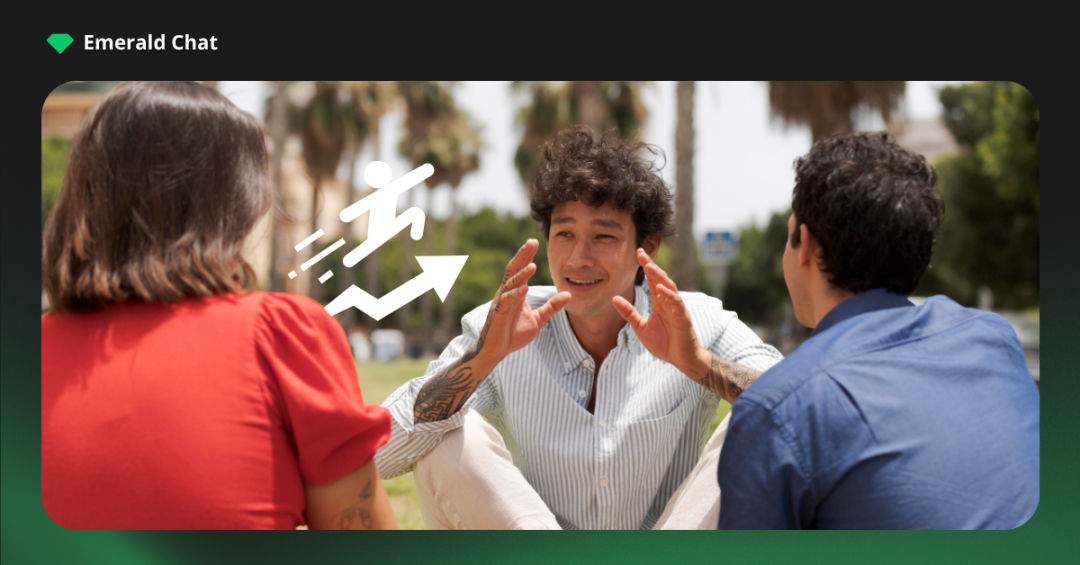
These are the five habits I’d start with. You don’t have to be funny or bold for any of them to work.
Practice starting conversations
Your first line doesn’t need to be clever. It needs to be easy to answer. I like to comment on something we can both see, or ask a simple question.
Try something like “Have you been to one of these before?” or “That coffee smells great. What did you get?” Keep it light. Your only goal is to start. Impressing anyone can wait. If you want more lines to try, here are some small talk tips with real examples.
Become a better listener
Listening is half of every good conversation. But it’s the half most of us skip. Put your phone away. Look at the person. Let them finish before you plan what you’ll say.
Then ask about something they said. Harvard researchers found that people who asked more questions were liked more by the people they talked to. The questions that worked best followed up on what the other person had just shared. Something as small as “Wait, how did that happen?” shows you were paying attention.
Focus on shared interests
When you share something with someone, the talk has somewhere to go. If you both love the same show or sport, you’ll have lots to say. So I always look for clues. A band shirt, a book in someone’s bag, or a quick comment about hiking can open a door.
Once you find something you share, ask how they got into it. People love telling that story.
Stop worrying about being perfect
You will have awkward pauses. You’ll mix up a name or tell a joke that falls flat. I promise everyone does. Most people forget those moments fast, and the liking gap research suggests they judge you more kindly than you judge yourself.
I’d rather you be real than smooth. A small laugh and “Okay, that came out wrong” can make you easier to talk to.
Learn to keep conversations going
Most chats stall because of yes or no questions. “Do you like your job?” gets a one word answer. “What’s the best part of your job?” gets a story.
After they answer, share a little about yourself. That gives them something to ask you back. I think of a good talk as a game of catch. It goes back and forth. If your chats tend to fizzle, there are more ways to keep a conversation going online. And if a topic runs dry, it’s fine to switch: “Totally random, but have you watched anything good lately?”
Practice socializing online
I think online chats are a great warm up. You get an extra second to think before you reply. And if a chat goes badly, you can end it and try again. Nobody has to see you at work the next day.
You can also meet people from very different places. That stretches you, because you learn to ask about lives that look nothing like yours. Over time, talking to strangers can boost your confidence in ways you carry offline. Use these chats to practice the basics, like how you say hi and how you handle small talk.
Use Emerald Chat to build conversation skills
Emerald Chat lets you talk one on one with new people by text or video. You don’t have to rely on fully random matches. You can add interest tags and meet people who share them. That way you start with something in common, and the first few lines come a lot easier.
The site uses a mix of AI and human moderators to help keep chats safe. No site can promise that every chat goes well. But moderation cuts down on the bad ones. And the more chats you have, the more natural it feels to start one and keep it going.
Common social mistakes to avoid
Some habits push people away, even when you don’t mean them to. Here are the ones I’d watch for.
- Talking only about yourself makes the other person feel like an audience. Pause and ask them something.
- Cutting people off tells them your point matters more than theirs. Let them finish, even when you’re excited.
- Yes or no questions give the other person nothing to build on. Ask “what” or “how” instead.
- Checking your phone, even for a second, shows you’re somewhere else. Keep it in your pocket.
- Overthinking every reply pulls you out of the moment. A simple answer is usually enough.
- Trying too hard to impress can feel like a show. People warm up to you faster when you relax.
Daily habits that improve social skills
Small steps each day add up faster than one big push. Pick a few of these and try them this week.
- Start one new conversation each day. A short chat with a cashier or coworker counts.
- Give one honest compliment. Make it specific, like “That was a really clear way to explain it.”
- Practice remembering names. Say the name once when you hear it: “Nice to meet you, Sam.”
- Read books or articles about things you enjoy. You’ll have more to talk about and more to ask.
- Join a club, class, or online group built around something you like.
- After a chat, think about what went well before you look at what didn’t.
Start with one conversation today
You won’t get better at socializing overnight. You get better one conversation at a time. Some will flow. Some will stall after two lines. Both teach you something.
So here’s what I’d love for you to do. Pick one habit from this guide and try it this week. Ask a question about something someone just said, or learn one new name. Then notice how people respond. In one study, commuters who talked to a stranger on the train had a happier ride than those who sat alone. Most people expected the opposite. So the next time you’re in line or on the bus, try saying hello.
Want an easy place to practice? On Emerald Chat, you can match with people who share your interests, so your first question is already easy to ask. Start a chat, try one tip from this guide, and see how it goes.
Frequently asked questions
Can social skills be learned?
Yes, and I believe this. Social skills work like any other skill. They get better with practice. Starting a chat, listening, and asking good questions all get easier the more you do them. Plenty of people who seem at ease now were just as nervous once. They kept showing up, and over time the hard parts started to feel normal.
How long does it take to become more social?
There’s no set timeline. It depends on where you’re starting and how often you practice. Some people notice a change after a few weeks of daily small talk. Others take months. I’d focus on showing up often, not on being fast. One short chat a day will help you more than one big party a month followed by weeks of hiding.
How can I practice talking to strangers?
Start in places where people expect to talk. Community events, volunteering, and classes all give you a reason to chat. Online chat sites with moderators, like Emerald Chat, let you practice with new people from home. Keep your first goals small. Say hello, ask one question, and listen to the answer. That counts as a win.
Is it okay to be introverted?
Yes, it’s okay. Being an introvert is about where you get your energy. It doesn’t measure your social skills. Many introverts are great listeners who love deep one on one talks. You don’t need to become an extrovert to get better at socializing. You need skills that fit the way you like to connect, plus rest when you need it.
What should I do if conversations become awkward?
Stay calm. A pause feels much longer to you than it does to them. Ask an open question, or bring up something they said earlier. You can also change the topic: “Random question, but what are you into lately?” A small laugh about the moment works too. Most awkward moments pass faster than you expect.
Leave a Reply