
Outgrowing friendships quietly happens when personal growth, changing values, or life paths create distance between people. It’s a natural part of life, and handling it with kindness, boundaries, and self-awareness helps maintain respect without unnecessary conflict.
Key Takeaways
- Outgrowing friendships quietly is a normal part of emotional growth
- Not all friendships are meant to last forever, and that’s okay
- Signs include feeling drained, disconnected, or misaligned
- You can create distance without being harsh or dramatic
- Letting go makes space for more aligned and meaningful connections
There’s a moment that feels almost too subtle to name.
You’re talking to someone you used to feel close to, and nothing is wrong exactly… but something feels off. Conversations don’t flow the same way. You don’t reach for them the way you used to. And slowly, without a clear ending, things begin to fade.
This is what outgrowing friendships quietly often looks like.
It doesn’t come with a big argument or a dramatic goodbye. It’s softer than that. Sometimes confusing. Sometimes a little sad. But more often than not, it’s just life moving forward.
And the truth is, more people go through this than they talk about.
What Does It Mean to Outgrow a Friendship?

Outgrowing friendships means that the connection no longer fits who you are becoming.
It doesn’t mean the friendship was bad. It just means something has shifted.
This can show up as:
- Different priorities or values
- Less emotional connection
- A sense that you’re no longer “on the same page”
There’s also a difference between temporary distance and real change.
Life gets busy. People drift for a while and come back. That’s normal.
But when the disconnect feels consistent, deeper, and hard to ignore, it’s often a sign of something more permanent.
Why People Outgrow Friendships Quietly

Most of the time, there isn’t one clear reason. It’s usually a mix of small changes that build over time.
1. Personal growth and changing values
As you grow, your priorities shift. What mattered to you before might not matter now.
Identity and values evolve across different life stages, which naturally affects relationships.
2. Different life paths
School, careers, goals, even lifestyle choices can pull people in different directions.
Sometimes it’s not about conflict. It’s just distance in experience.
3. Emotional maturity gaps
You might find yourself handling situations differently, needing deeper conversations, or wanting more emotional awareness.
And when that’s not matched, the gap becomes more noticeable.
4. Avoidance of conflict
A lot of people choose silence over confrontation.
According to a study from American Psychological Association, people often avoid difficult conversations to reduce stress, even if it means letting relationships fade instead.
Signs You’re Outgrowing a Friendship
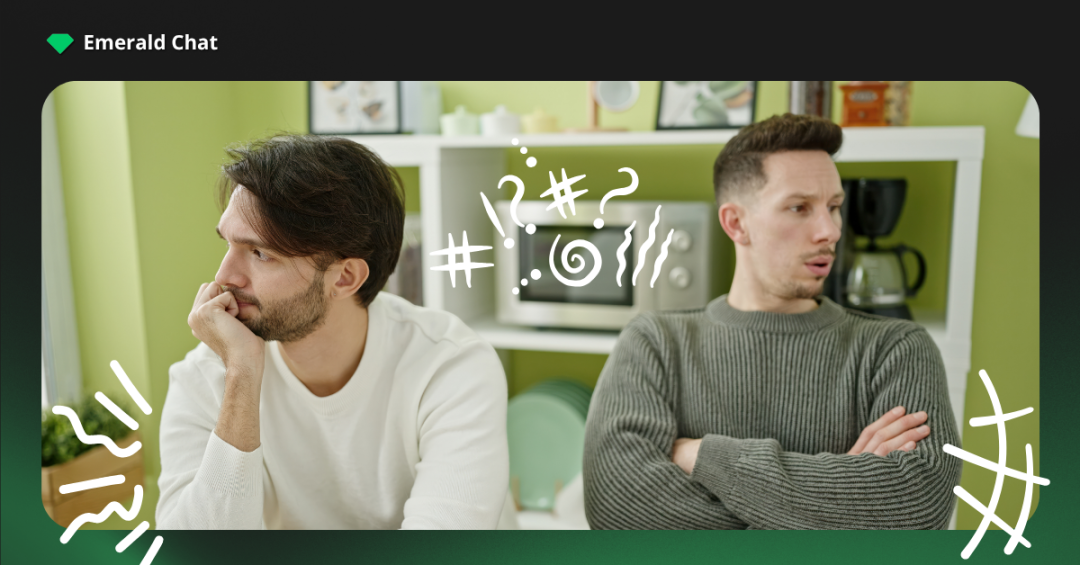
Sometimes you already feel it, but you’re not sure how to put it into words.
Here are some common signs you are outgrowing friends:
- Conversations feel forced or surface-level
- You don’t feel as excited to talk or hang out
- You feel drained instead of supported
- There’s less in common than before
- You notice you’re growing in different directions
A helpful way to reflect on this is by noticing how you feel after interactions, not just during.
If you consistently feel disconnected, that’s worth paying attention to.
Is It Normal to Outgrow Friends?
Yes. Completely.
Friendships aren’t static. They change as people change.
A long-term study from University of Kansas found that maintaining close friendships requires time and shared experiences. Without those, even strong bonds can slowly fade.
So if you’re drifting apart from friends, it doesn’t mean you failed.
It just means you’re evolving.
The Emotional Side of Quietly Letting Go

This part is often the hardest.
Outgrowing friendships quietly can bring mixed emotions:
- Guilt for pulling away
- Relief that you’re being honest with yourself
- Sadness for what the friendship used to be
There’s also the quiet fear of hurting the other person.
So instead of saying something, people often choose silence.
Not because they don’t care, but because they don’t know how to say it without causing pain.
How to Handle Outgrowing a Friendship Quietly
There isn’t one perfect way to handle this. But there are ways to do it with care.
Create healthy distance
You don’t have to cut someone off completely. Sometimes, just being less available is enough.
Let the connection adjust naturally.
Set gentle boundaries
You can protect your time and energy without making it a big issue.
It can be as simple as saying no more often or not engaging in conversations that don’t feel right anymore.
Stay kind and respectful
Even if you’re pulling away, how you do it still matters.
You can create space without being cold.
Know when to communicate
If the friendship was deep or meaningful, a conversation might be worth having.
If it was more casual, letting it fade can sometimes be the more natural option.
Should You Talk About It or Let It Fade?
This is where things get personal.
Talking about it helps when:
- The friendship is long-term or close
- There’s confusion or tension
- You want closure
Letting it fade makes sense when:
- The connection is already distant
- There’s no conflict, just quiet drifting
- A conversation might create unnecessary hurt
Both approaches are valid.
It’s less about choosing the “right” one and more about choosing what feels respectful to both sides.
How to Outgrow a Friendship Without Drama

If you want to avoid unnecessary tension, keep it simple:
- Don’t disappear suddenly without context
- Be polite, just less available
- Avoid over-explaining or blaming
- Keep interactions light and respectful
Think of it less as ending something and more as letting it change.
What to Do After Outgrowing a Friendship

Letting go creates space.
And that space matters.
It gives you room to:
- Reflect on what you need in relationships
- Focus on your own growth
- Build connections that feel more aligned
If you’re someone who still values meaningful conversations, even with new people, spaces like Emerald Chat can make that feel easier. It’s closer to meeting someone naturally, without pressure.
Common Mistakes to Avoid
When dealing with outgrowing friendships quietly, a few things can make it harder than it needs to be:
- Forcing a friendship that no longer fits
- Ending things abruptly without thought
- Staying out of obligation instead of genuine connection
- Burning bridges unnecessarily
Not every friendship needs a dramatic ending.
Some just need a gentle shift.
Final Thoughts
Outgrowing friendships quietly can feel strange because there’s no clear ending.
Just a slow change.
But that doesn’t make it any less real.
Growth often comes with letting go, even when nothing “bad” happened.
And sometimes, the most respectful thing you can do is allow both people to move forward in their own direction.
Have you ever felt yourself slowly drifting from a friendship?
You don’t have to figure it out alone. Sometimes, a simple conversation with someone new can bring clarity in ways you don’t expect.
FAQ
Yes. Not all friendships need a formal ending. As long as you’re respectful, quiet distance is a valid approach.
If you feel consistently disconnected, drained, or misaligned, those are strong signs.
It depends on the depth of the friendship. Close friendships may benefit from honesty, while others may naturally fade.
People grow, priorities change, and life paths shift. It’s a natural part of relationships.
Yes. If both people reconnect and still align, friendships can evolve and continue in a new way.
Leave a Reply